








 A Special Feature for RV Lifestyle Magazine from the team at Western National Parks
Route 66 is turning 100 in 2026! One of the first numbered highways in the United States, this iconic route was first established on November 11, 1926. Stretching over 2,400 miles from Chicago, Illinois, to Santa Monica, California, the road has a complex history. When it was created, Route 66 was the shortest highway that was drivable year-round and served as a physical and economic lifeline between small towns, the cities of the Midwest, and the then-sparsely populated West Coast.
Route 66 is often celebrated for its sense of freedom and discovery, but its history—like the landscapes it crosses—is layered and complex. The road played an important role in the Dust Bowl Migration and the growth of a booming tourism and travel industry—but these same industries did not serve the needs of all communities. As you travel this route today, there are opportunities to experience its iconic places, and to learn from the many communities whose stories shape its past and present.
The route passes through the ancestral and current homelands of many Tribal Nations, who were here long before the road was constructed. During this centennial celebration, many Indigenous peoples and communities are sharing their distinct stories, cultures, and traditions, which continue to thrive today.
The centennial is an opportunity to learn more about the route’s history while experiencing the many national parks located directly on or near this historic highway. These parks preserve both beautiful landscapes and important cultural heritage sites, and many of them are within a 30-mile drive of Route 66. Other parks are further away, but certainly well worth the journey.
Take a road trip on Route 66 and celebrate 100 years of history on this iconic highway (courtesy of WNP).
California National Parks
Journey through stunning desert landscapes and over mountains as you make your way along Route 66 to California’s cool coastal regions.
Parks within 30 miles
- Channel Islands National Park
- Mojave National Preserve
- Santa Monica Mountains National Recreation Area
Parks within 100 miles of Route 66
Nearby cities
- Los Angeles
- Twentynine Palms
- Ventura
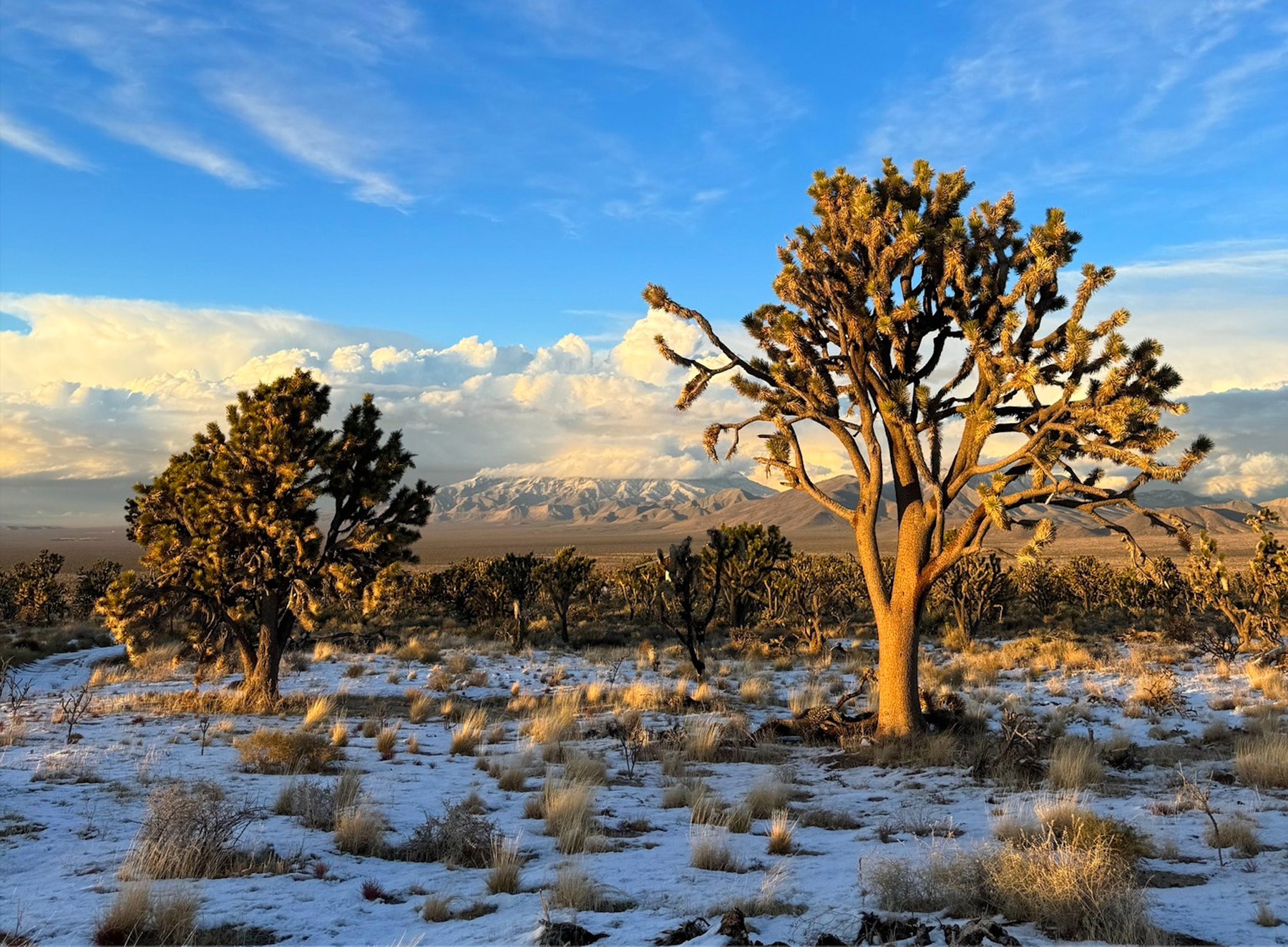
The western terminus of this historic highway is at the Santa Monica Pier and makes for a perfect photo opportunity to start or end your journey. Camp in the Mojave Desert at Mojave National Preserve (a park located directly along Route 66 and a quieter but equally striking alternative to the more heavily visited Joshua Tree) and enjoy beautiful coastal mountain hikes at Santa Monica Mountains National Recreation Area .
Channel Islands National Park is also a must-see—although this park is only accessible by boat and not directly on the route, it’s easy to park in Ventura or Oxnard harbors and ride the ferry to this stunning archipelago. Part of the fun of traveling the more than 300 miles of Route 66 in California is the iconic sights along the way, including Hollywood and Sunset Boulevard, so be sure to stop on your way to the beach.
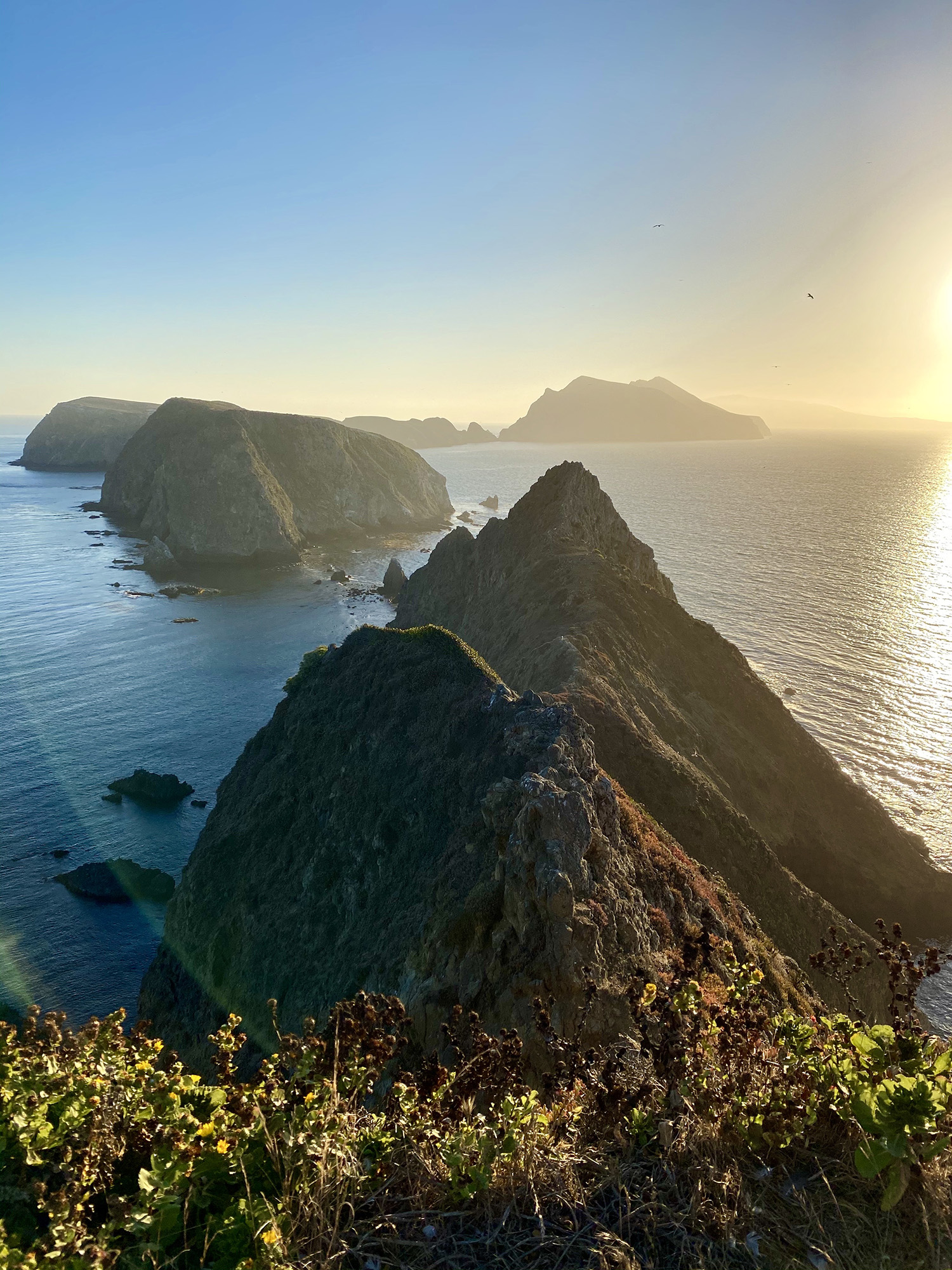
Experience the beauty of Channel Islands National Park (courtesy of WNP).
Southwest National Parks
Experience high desert scenery, significant Indigenous heritage sites, ancient volcanic landscapes, and hundreds of years of history as you travel through Arizona and New Mexico. Each state has nearly 400 miles of this historic highway.
Arizona National Parks
Parks within 30 miles
- Petrified Forest National Park
- Sunset Crater Volcano National Monument
- Walnut Canyon National Monument
- Wupatki National Monument
Parks within 100 miles
- Canyon de Chelly National Monument
- Grand Canyon National Park
- Hubbell Trading Post National Historic Site
- Lake Mead National Recreation Area
- Montezuma Castle National Monument
- Tuzigoot National Monument
Nearby cities
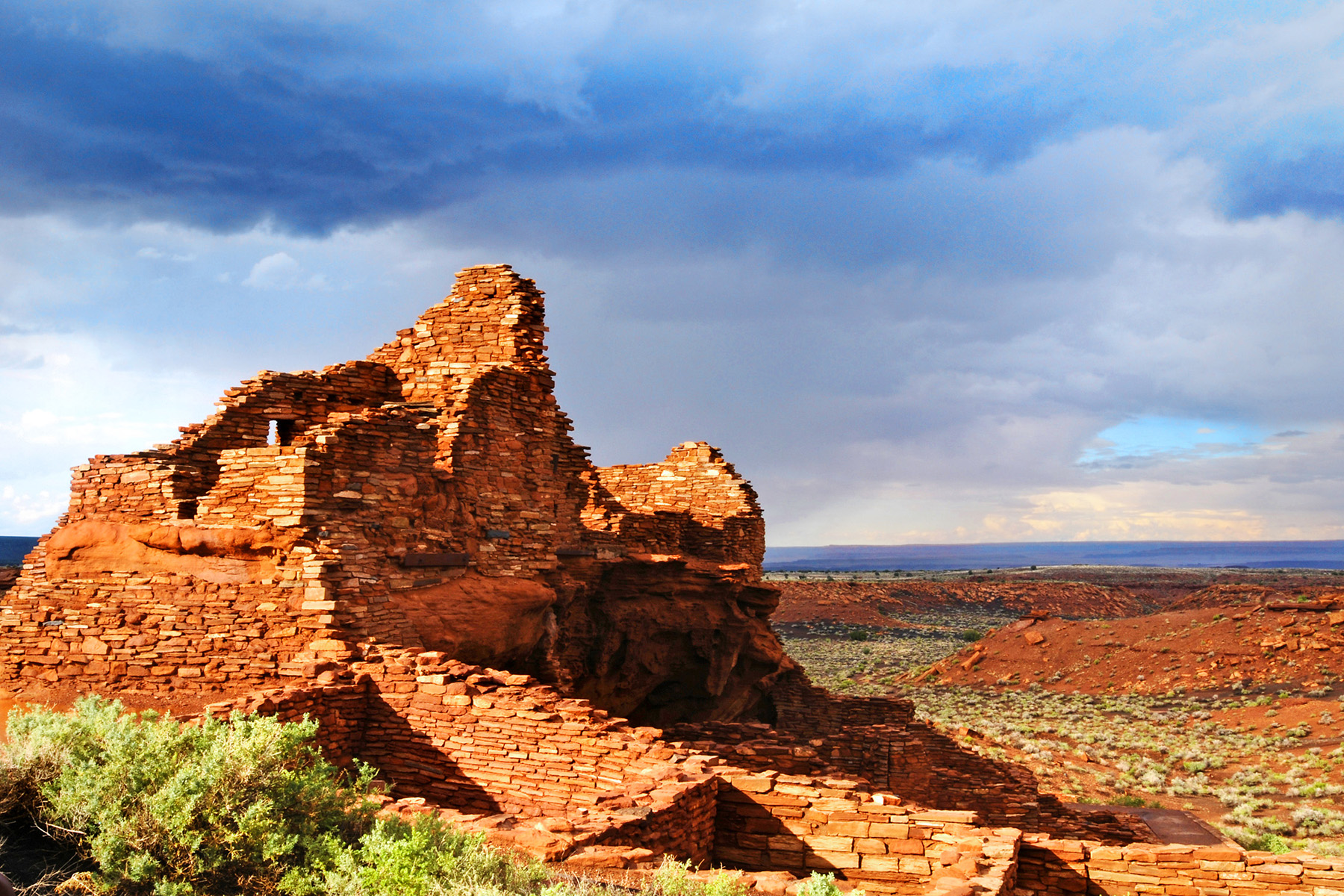
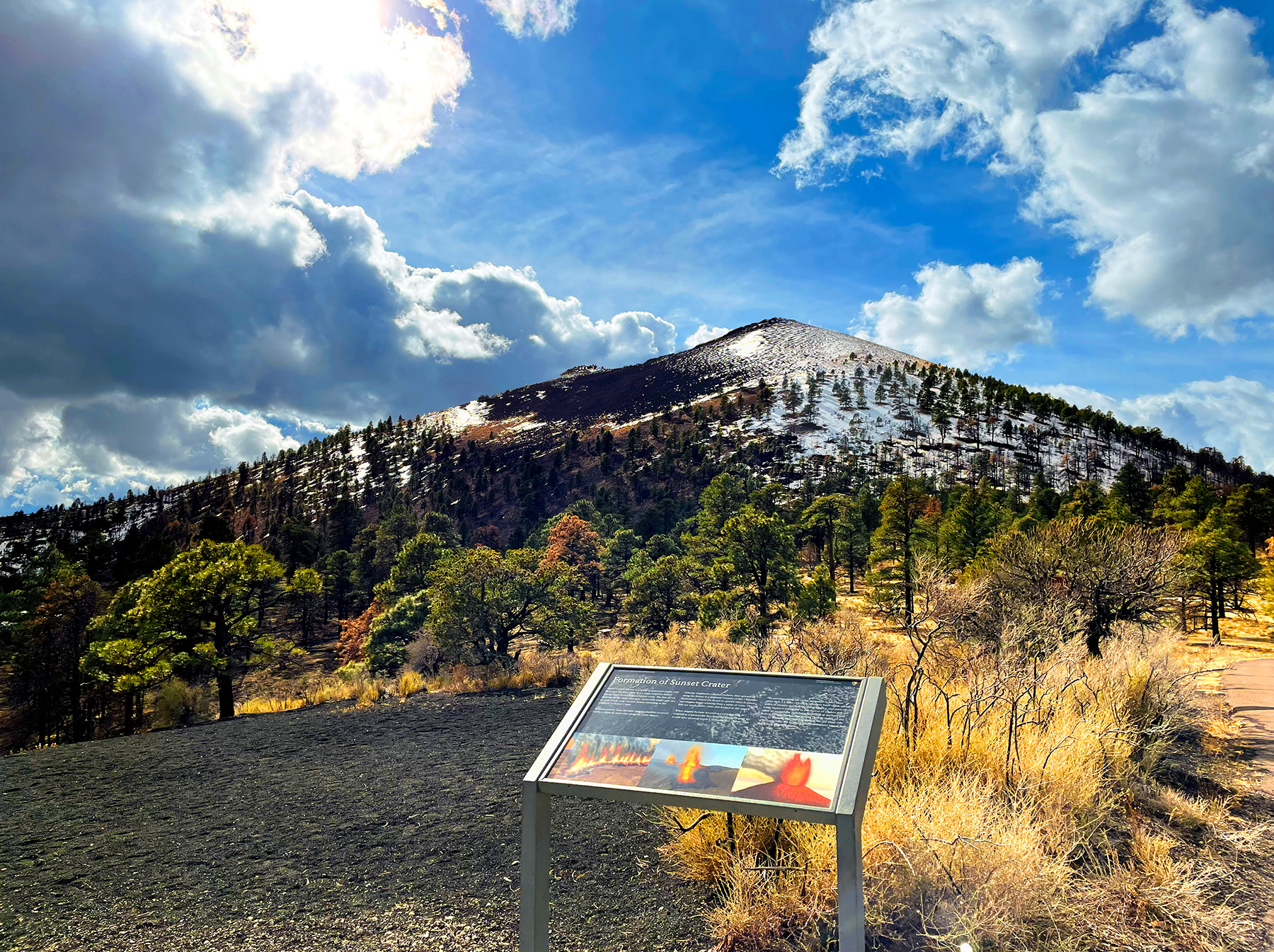
Arizona’s miles of Route 66 are characterized by high desert landscapes and mountain pine forests. Flagstaff is worth a one- (or several-) day stop, as this vibrant mountain town is a gateway to four national park sites—the Flagstaff Area National Monuments of Sunset Crater Volcano National Monument, Walnut Canyon National Monument, and Wupatki National Monument each with its own distinct character, and Petrified Forest National Park, which preserves an original stretch of Route 66 within its boundaries.
If you’re up for adventure, take a side trip to one of the many national parks within 100 miles of the iconic highway. Many of these parks are connected to Indigenous heritage, including Hubbell Trading Post National Historic Site—the oldest continuously operating trading post in the American Southwest, known for its long history of Navajo weaving and Native American arts—and the cultural heritage sites of Montezuma Castle National Monument and Tuzigoot National Monument. Camp near stunning red rock canyons at Canyon de Chelly National Monument. Visit Grand Canyon National Park, known for its sweeping overlooks, inner canyon hiking, and river rafting. And for those willing to make the trip, the waters of Lake Mead National Recreation Area offer a welcome respite from the desert.
For those willing to travel off route, Lake Mead National Recreation Area has plenty of camping spots, boating opportunities, and hiking trails (courtesy of WNP).
National Parks in New Mexico
Camp under the stars, experience places with hundreds of years of history, and explore some of the Southwest’s most vibrant cultural centers when you take a trip along Route 66 in New Mexico.
Parks within 30 miles
- Bandelier National Monument
- El Malpais National Monument
- Pecos National Historical Park
- Petroglyph National Monument
- Santa Fe National Historic Trail
- Valles Caldera National Preserve
Parks within 100 miles
- Chaco Culture National Historical Park
- El Morro National Monument
- Fort Union National Monument
- Salinas Pueblo Missions National Monument
Nearby cities
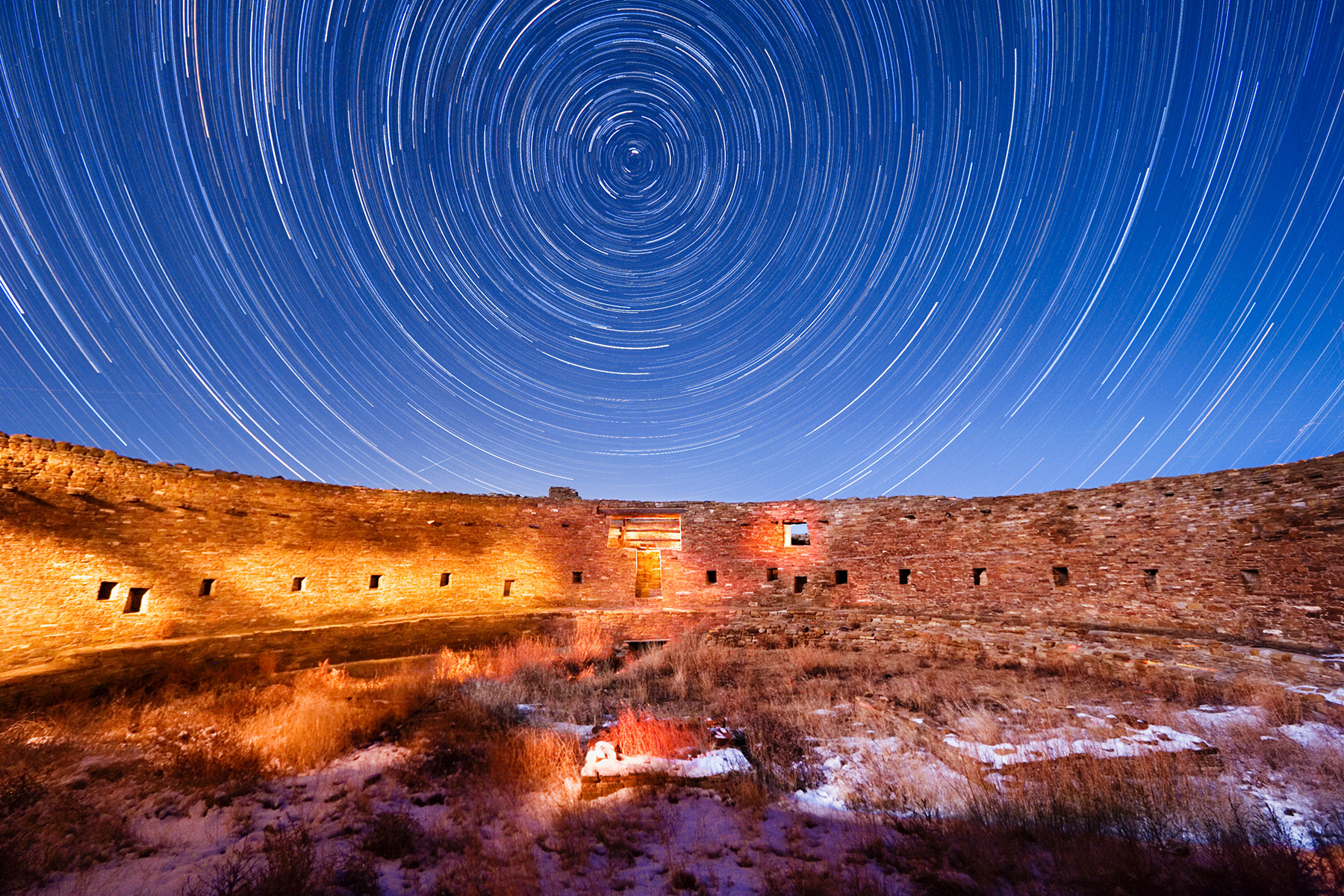
When you follow Route 66 through New Mexico, you’ll find that the historic highway is only part of a much larger story. The highway winds through or close to many Indigenous cultural heritage sites, which existed long before the road was established in 1926. Bandelier National Monument, Chaco Culture National Historical Park, Petroglyph National Monument, El Morro National Monument, and Salinas Pueblo Missions National Monument are all dedicated to preserving sites connected to Indigenous communities and sharing their stories. Many of these parks also offer great camping and hiking, like the volcanic landscapes of El Malpais National Monument. Other parks, like Fort Union National Monument and Pecos National Historical Park, preserve places that were stops along the Santa Fe National Historic Trail, and are important cultural crossroads.
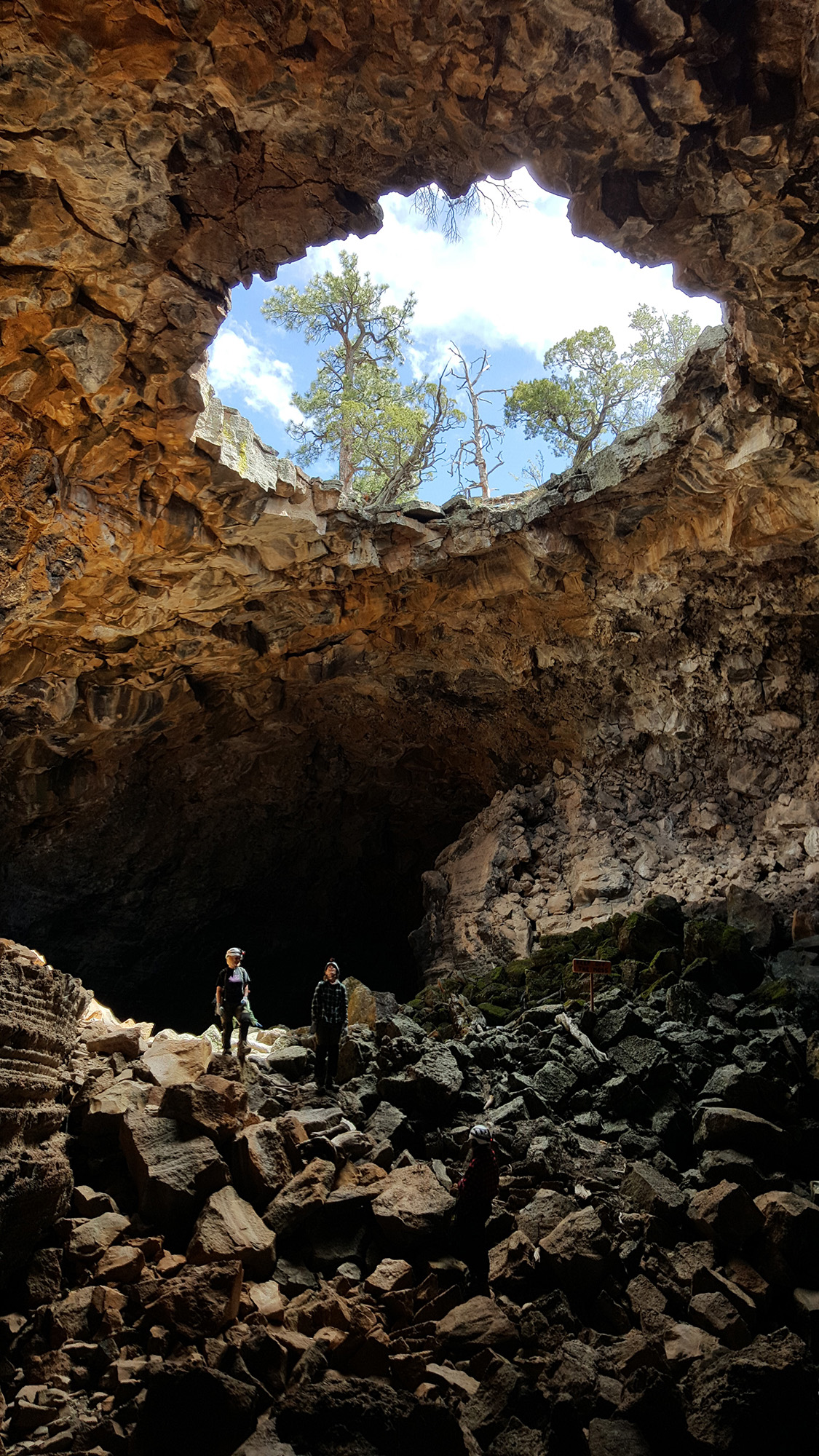
Experience hundreds of years of history at Pecos National Historical Park (courtesy of WNP).
Before the Mother Road, there was the Santa Fe Trail—many of the national parks along Route 66 in New Mexico have connections to this historic trail (courtesy of WNP).
A trip on Route 66 is also an opportunity to experience New Mexico’s cultural centers. Albuquerque has more miles of Route 66 than any other urban area and is also a major cultural hub. Santa Fe and Gallup each have vibrant art galleries and museums with deep connections to the area’s heritage and are well worth a stop.
National Parks in the Great Plains – Oklahoma and Texas
Enjoy roadside attractions, classic car culture, and iconic stops along Route 66 when you travel along more than 600 miles in Oklahoma and Texas.
Parks within 30 miles
- Alibates Flint Quarries National Monument
- Lake Meredith National Recreation Area
- Washita Battlefield National Historic Site
Parks within 100 miles
Nearby cities
- Amarillo
- Oklahoma City
Many of Route 66’s most notable stops are in Oklahoma and Texas, including Cadillac Ranch, historic neighborhoods, museums dedicated to Bob Dylan and Woodie Guthrie, and classic diners like the Rock Cafe, which inspired characters in Pixar’s film Cars. Oklahoma City also has the state’s official Route 66 museums and several landmarks that make for great road trip pictures, such as the Milk Bottle Grocery. However, there are plenty of national parks to explore along the route as well, each telling their own story.
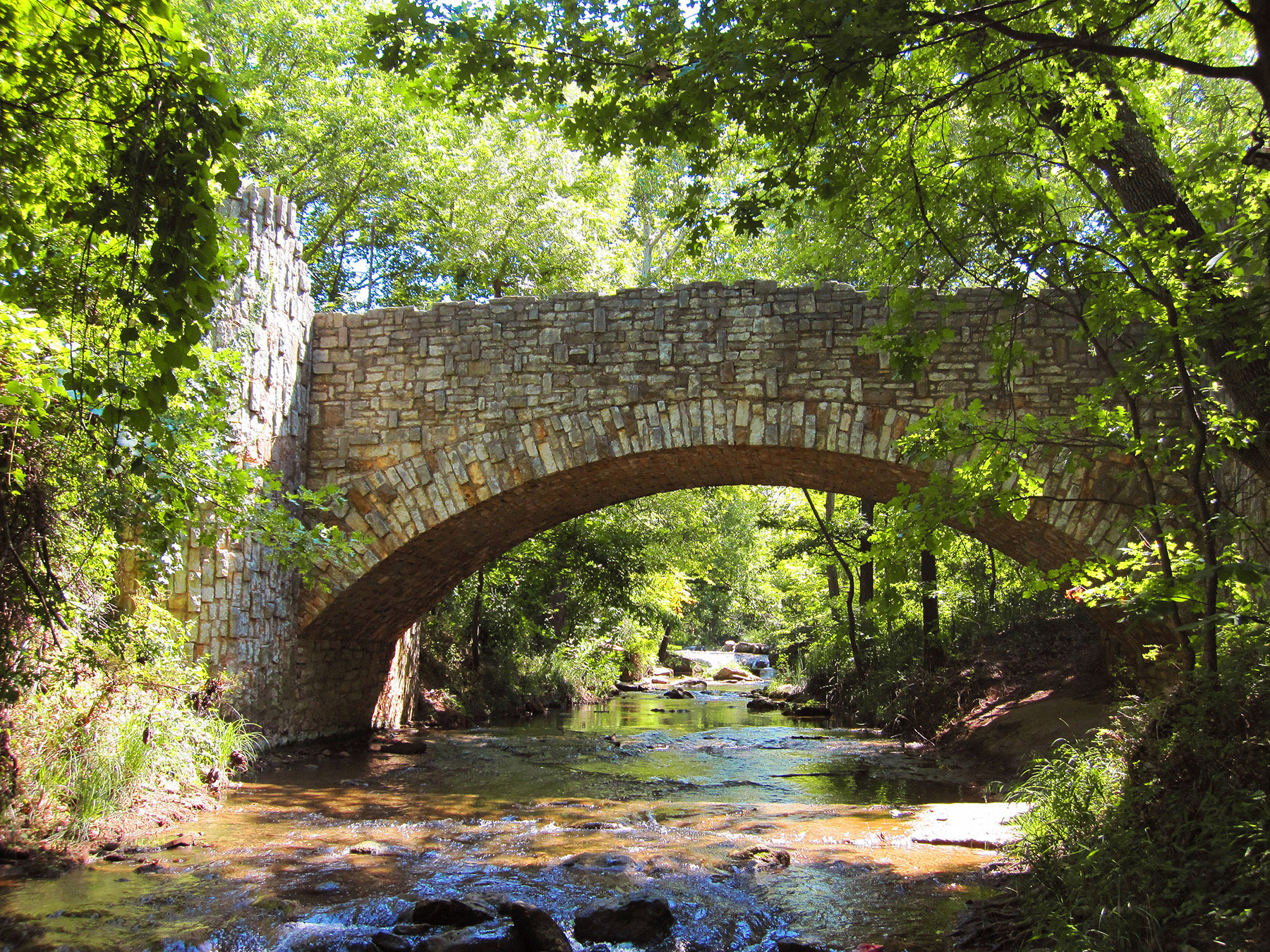
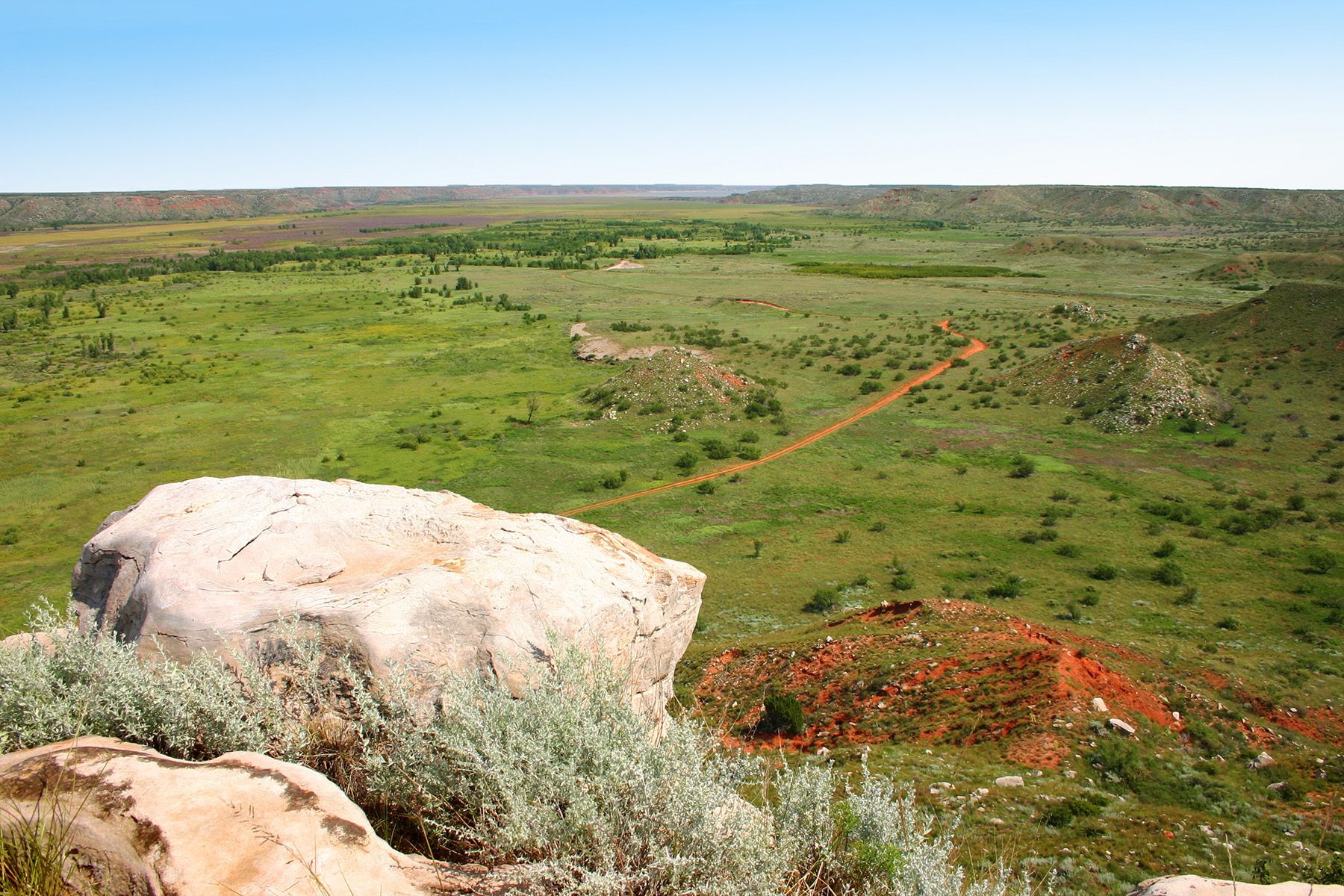
Connect with 13,000 years of history and heritage when you visit Alibates Flint Quarries National Monument. Remember and reflect on somber moments in history when you stop by Washita Battlefield National Historic Site, which continues to be an important Indigenous cultural heritage site today. And both Lake Meredith National Recreation Area and Chickasaw National Recreation Area have plenty of places to camp, swim, and take in the scenery of the Great Plains as you travel along.
For thousands of years, Indigenous peoples quarried the flint found at Alibates Flint Quarries. Take a ranger guided hike and learn about the history of the area (WNP).
Route 66 Midwest — National Parks in Kansas, Missouri and Illinois
The easternmost portion of Route 66 has over 600 miles of highway crossing Kansas, Missouri, and Illinois. Some parts of the route pass through more cities than the western portion, and the national parks along the way highlight historic figures, long distance journeys, and much more.
Parks within 30 miles
Parks within 100 miles
Nearby cities
- St. Louis
- Chicago
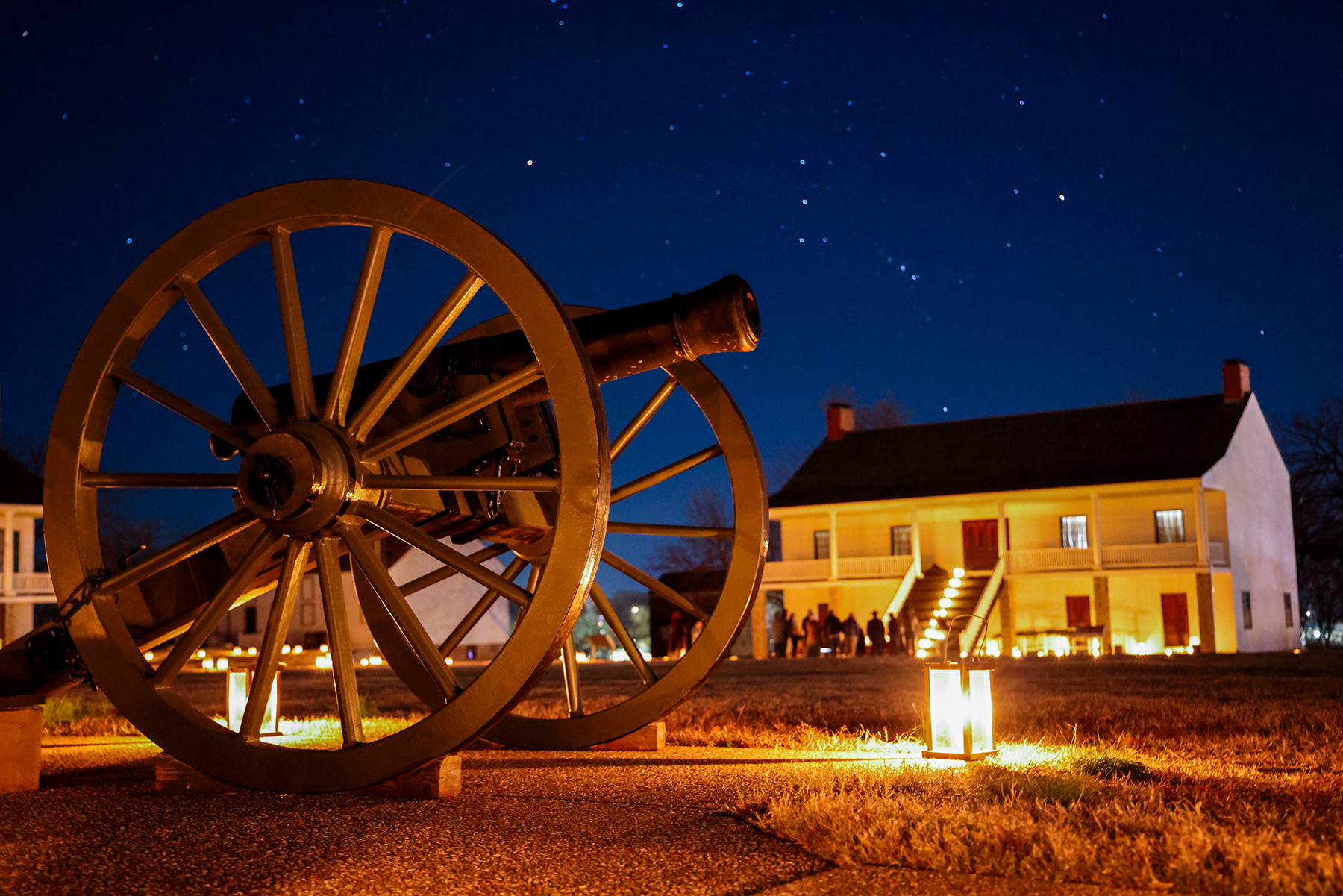
Known for its drive-in theaters, notable restaurants—including Lou Mitchell’s in Chicago, often considered the first stop on Route 66—and quirky attractions, many of the locations on Route 66 in the Midwest are on the Register of National Historic Places. The national parks along this stretch include Gateway Arch National Park, one of many stops along the 4,900-mile-long Lewis and Clark National Historic Trail. Worth a road trip on its own, this historic trail traces the journey of the Corps of Discovery expedition, which followed routes Indigenous peoples had traveled for generations for generations. Other stops include preserved forts, like Fort Scott National Historic Site, which hosts a variety of living history programs.
The eastern terminus of the route is at Jackson and Michigan Avenues in Grant Park, Chicago, with a “End of Route 66” sign. It is here that the Mother Road ends—or begins, as it once connected the urban centers of the Midwest to the smaller towns along the West Coast.
National Parks on Route 66 – A complex legacy and history
The parks listed here are just some of the many places to stop, learn, and experience the history and heritage of this notable highway. Route 66 is often celebrated for its sense of freedom and discovery, but its history—like the landscapes it crosses—is layered and complex. The road played an important role in the Dust Bowl Migration and in the growth of a booming tourism and travel industry—but these same industries did not serve the needs of all communities. Many of the cities on this route were “sundown towns” that were unwelcoming to African Americans and forbade them from staying overnight. The Negro Motorist Green Book, a travel guide that listed safe lodging, towns, and recreation options for African Americans, and was an essential resource for travelers along Route 66. Many Tribal Nations were also impacted by the building of the road. Today, there are collective efforts across Indigenous communities to contextualize and reframe Route 66 as part of a much larger and longer story of Indigenous history and heritage, which began long before the highway was ever built. Many important cultural heritage sites are found along the road, and visiting them is an opportunity to learn more about the unique cultures and peoples still thriving today.
As you travel this route today, there are opportunities not only to experience its iconic places, but also to learn from the many communities whose stories shape its past and present.
Whether you’re looking to drive all or just a portion of the road, the national parks along the way are not to be missed. Learn more about these parks and find your perfect park experience with Western National Parks and get inspiration from our many road trip itineraries today.