











Celebrate America’s 250th with a road trip to these national parks
 A Special Feature from our friends at Western National Parks
The United States is commemorating 250 years of nationhood in 2026 – and it’s the perfect time to take a road trip through some of the nation’s most iconic natural and cultural landscapes: national parks. The special places protected by the National Park Service throughout the West, many of which are located on the ancestral homelands of Indigenous peoples and continue to be stewarded by them since time immemorial, are not only exciting to visit, but they also help tell the many stories that, together, form a shared cultural heritage. And many of them are known worldwide as being some of the most beautiful places to experience outdoor recreation and significant history.
Read on to discover the many parks – including several hidden gems with smaller crowds and amazing stories – that you’ll want to visit in recognition of the United States’ 250th anniversary.
Plan your 2026 Park Trips with WNP (courtesy of Western National Parks).
Mountain West
Known for their high-altitude parks, remote experiences, and rugged beauty, these states have plenty to offer to the avid RV’er, camper, and road tripper.
Colorado
Be sure to visit these national parks in the Centennial State.
- Rocky Mountain National Park
- Great Sand Dunes National Park and Preserve
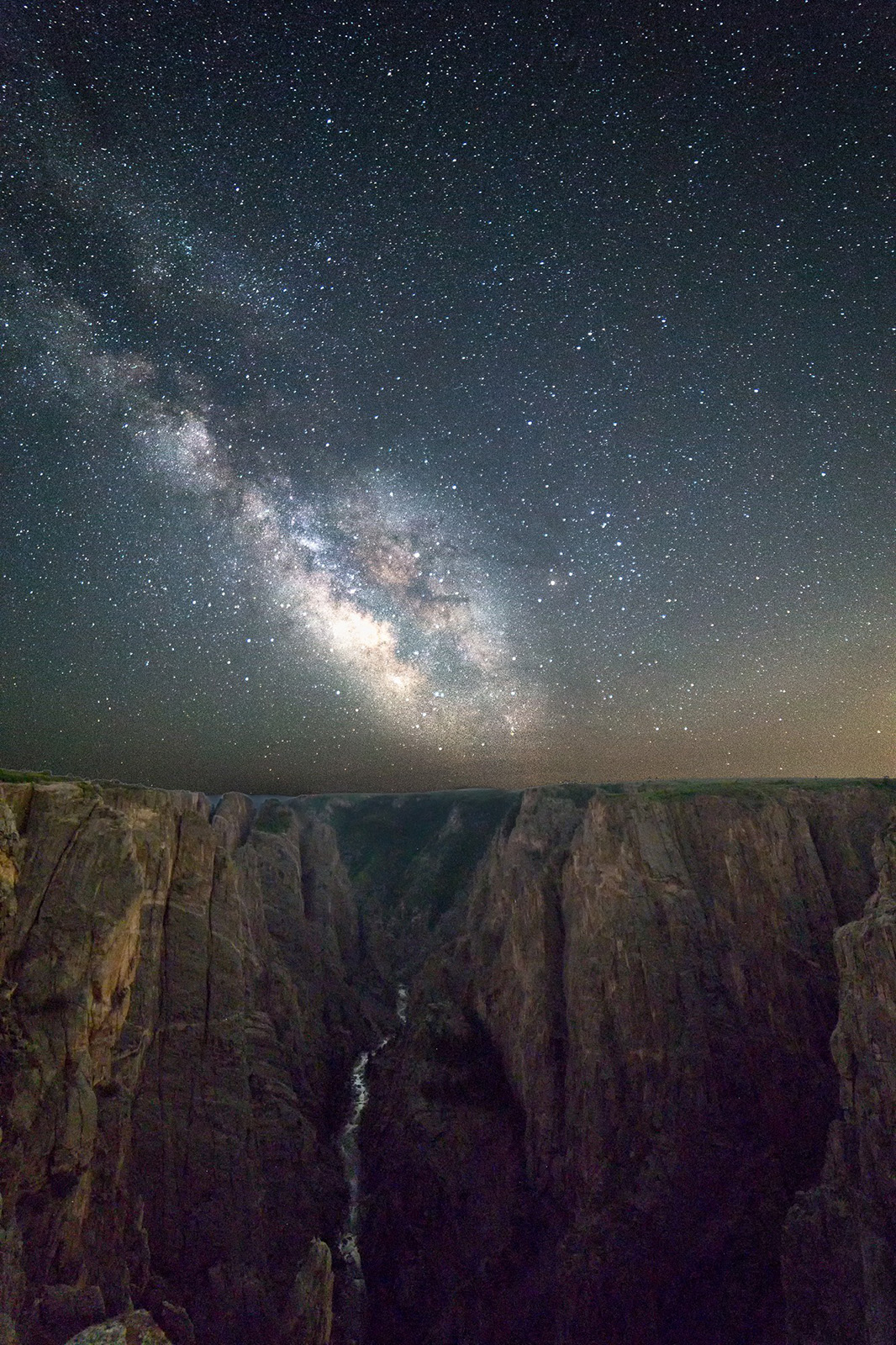
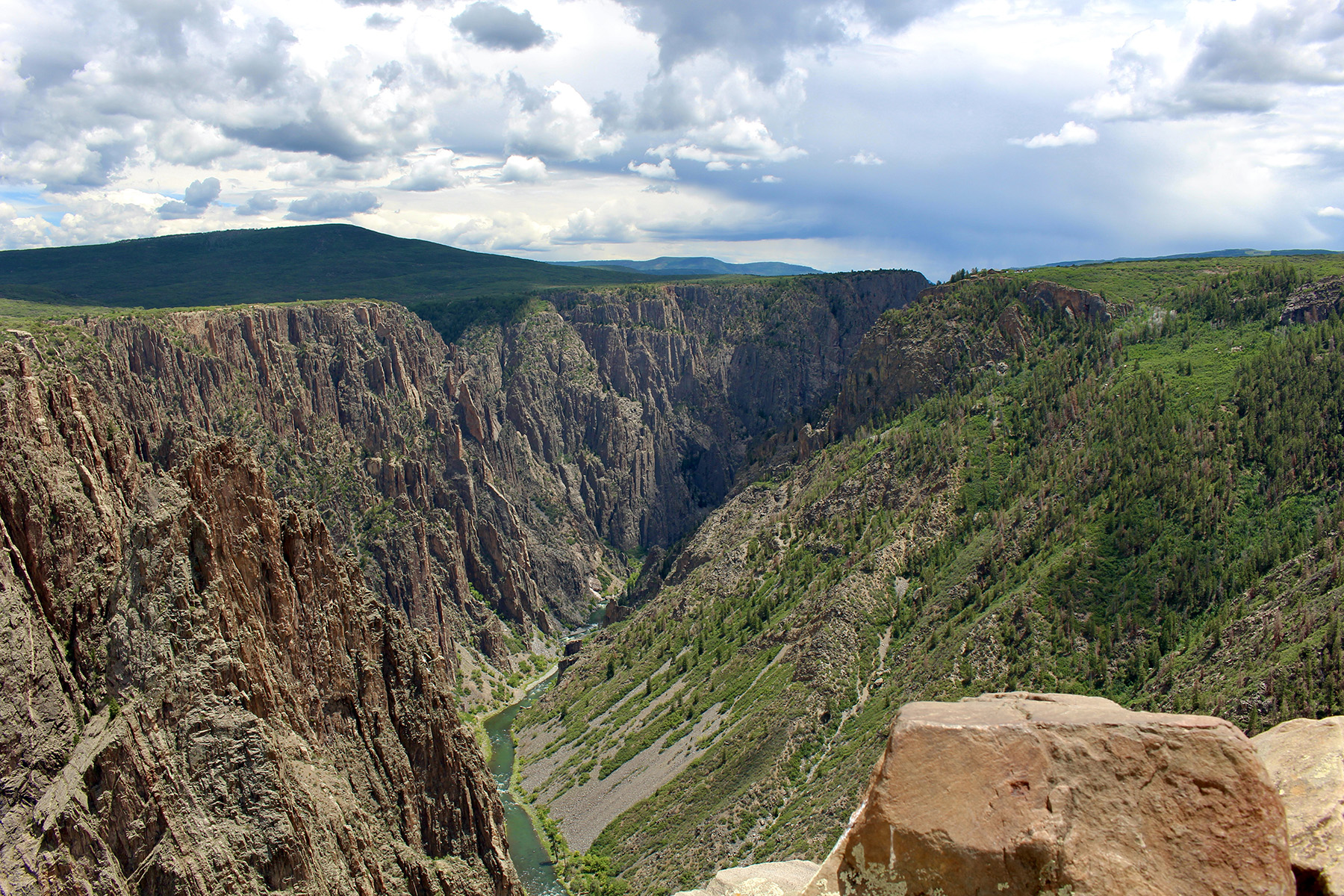
- Black Canyon of the Gunnison National Park
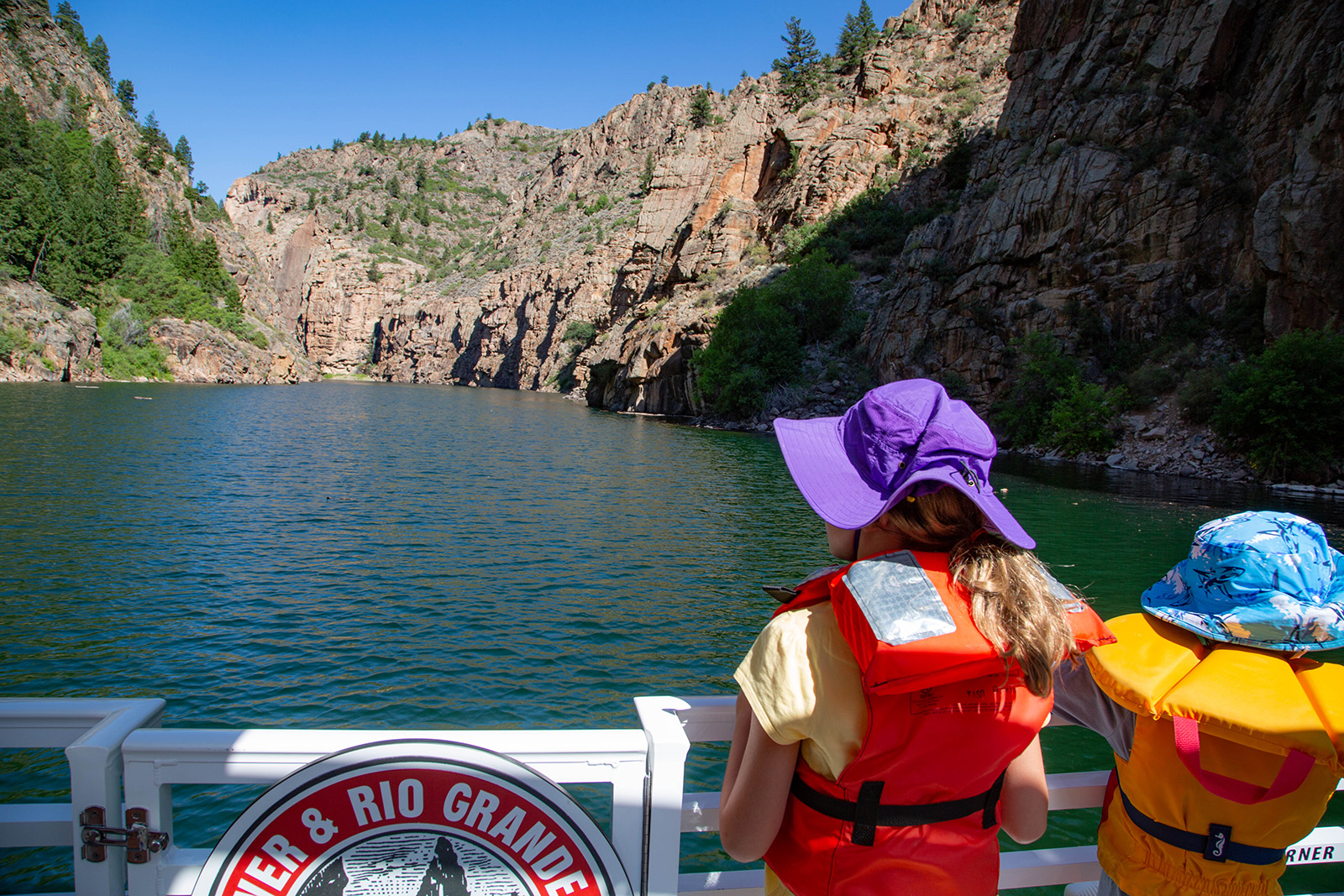
- Curecanti National Recreation Area
- Bent’s Old Fort National Historic Site
- Sand Creek Massacre National Historic Site
As the state with the highest average elevation in the United States, Colorado’s parks deliver big mountain views and plenty of history. Rocky Mountain National Park is a popular destination for many road trippers, and with stunning mountain views, plenty of campgrounds, and over 300 miles of hiking trails, there’s plenty to do in this stunning park. Be aware that this park may use a timed entry system to mitigate crowding, especially in the summer months. Be sure to make your reservation ahead of time.
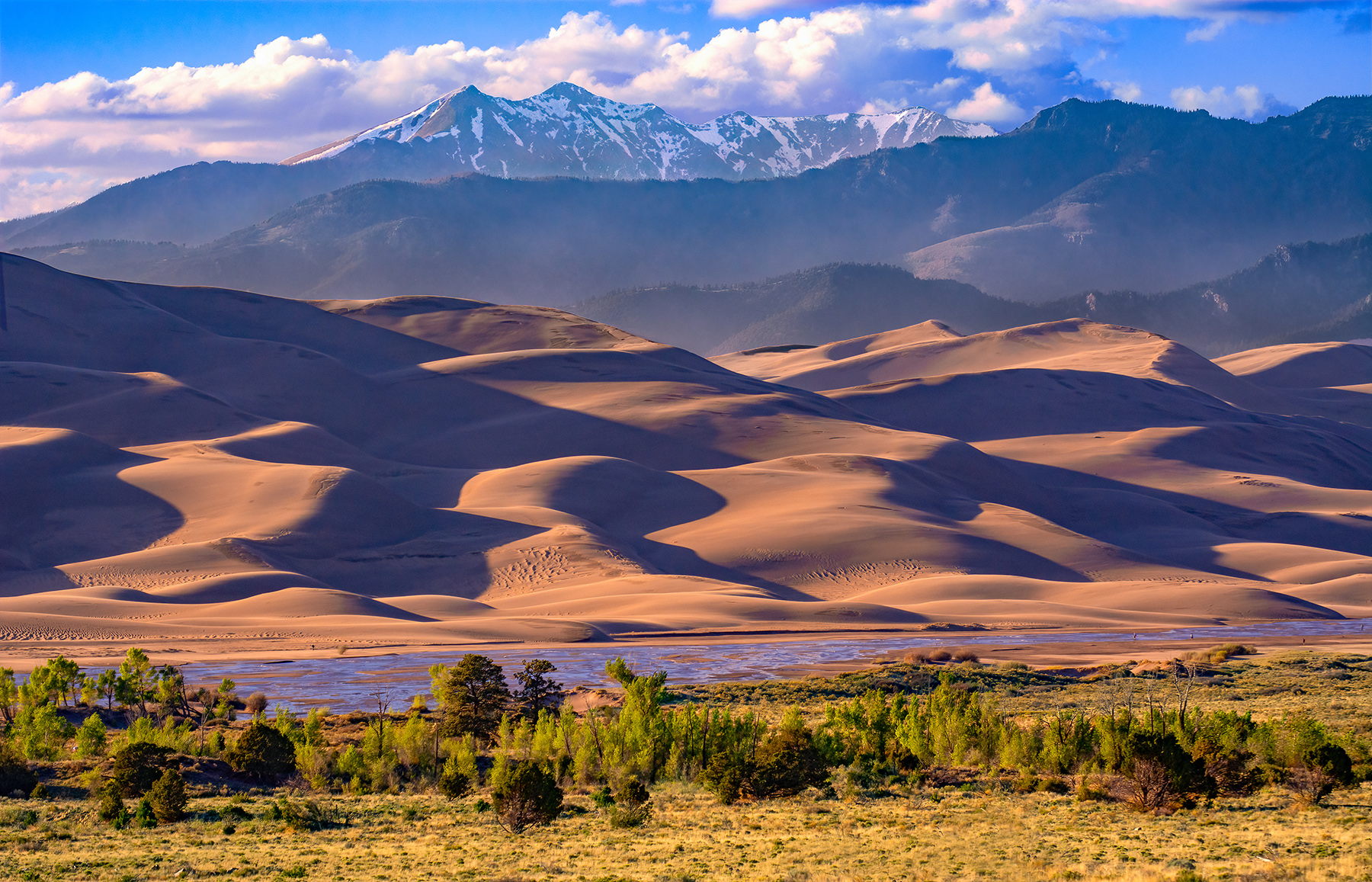
If you’re looking for high-altitude adventure with more solitude, Great Sand Dunes National Park and Preserve is not to be missed. This park protects the highest dunes in North America and offers incredible stargazing with a campsite located right next to the dunefields.
Black Canyon of the Gunnison National Park offers jaw-dropping overlooks and adventurous hikes in one of the most geologically spectacular places in America. And this park pairs easily with a trip or a basecamp stay at Curecanti National Recreation Area, perfect for those who love fishing or want to choose their own adventure on the Gunnison River.
If you’re looking to learn more about history and heritage, Colorado’s also has unique sites that are truly transformational. Sand Creek Massacre National Historic Site is an important Indigenous heritage site that preserves the site where US soldiers attacked a peaceful village of Cheyenne and Arapaho in southeastern Colorado in 1864. Today, it is a place to remember and reflect on the impacts of Westward Expansion on Indigenous communities and Tribal Nations.
Montana and Wyoming
Plan your road trip with visits to these parks
- Yellowstone National Park
- Bighorn Canyon National Recreation Area
- Little Bighorn Battlefield National Monument
Spanning the states of Idaho, Montana, and Wyoming, iconic Yellowstone National Park is a must-visit and is also the world’s first national park. A popular destination, be aware of the crowded season at Yellowstone. Camping and RV reservations are recommended for higher-visitation areas.
If you are looking for a quieter, but still wild and beautiful experience, Bighorn Canyon National Recreation Area, located on the border of Montana and Wyoming, is a hidden gem park to add to your list. Hike along the canyon rim, go fishing or rafting on the river, camp under the stars, and look for wild mustangs in the Pryor Mountain Wild Horse Range.
With Bighorn Canyon as your home base, you can easily take a day trip to Little Bighorn Battlefield National Monument , an important Indigenous and cultural heritage site. This park preserves the site of the Battle of Little Bighorn, where Indigenous peoples fought to protect their traditional ways of life. It was here on June 25 and 26, 1876, Lakota, Cheyenne, and Arapaho warriors fought against a deliberate attack by the US Army’s 7th Cavalry, led by Lt. Col. George Custer. The park will be commemorating the 150th anniversary of the battle in 2026—be sure to reach out to the park for details.
Nevada
Experience the unique landscapes and natural history of Nevada when you visit these parks.
- Great Basin National Park
- Lake Mead National Recreation Area
- Tule Springs Fossil Beds National Monument
The Silver State’s beautiful deserts, towering mountains, and fascinating natural history make it a breathtaking and essential experience of the West. Great Basin National Park is just one place to discover Nevada’s wonders. Hike through forests of ancient bristlecone pines, take in the stunning views on Wheeler Peak Scenic drive, and sleep under beautiful night skies in this quiet and remote park.
Lake Mead National Recreation Area is more than just a great place to spend a day on the water—it also offers beautiful hikes through red rock deserts and plenty of lakeside camping. And it’s easy to pay a visit to nearby Tule Springs Fossil Beds National Monument, located in the heart of Las Vegas. This park protects the largest open-air ice age fossil site in the Southwest and offers a perfect day trip during a Lake Mead campout.
Experience Lake Mead National Recreation Area (courtesy of Western National Parks).
Utah
Experience the beauty of Utah when you visit these national parks.
- Arches National Park
- Bryce Canyon National Park
- Canyonlands National Park
- Capitol Reef National Park
- Zion National Park
- Timpanogos Cave National Monument
- Golden Spike National Historical Park
Utah’s iconic national parks preserve unique landscapes and histories. The state is known for its “Mighty Five” national parks: Arches National Park, Bryce Canyon National Park, Canyonlands National Park, Capitol Reef National Park, and Zion National Park are known for stunning desert landscapes and unique rock formations. Plan your trip to these parks well in advance, as both campgrounds and permits for some of the park’s most popular hikes require reservations months ahead of time.
Utah also has plenty of geological wonders beyond the “Mighty Five.” Located outside of Salt Lake City, Timpanogos Cave National Monument protects an underground world known for its delicate and colorful cave formations. This park is a great day trip from Salt Lake, or camp in the nearby national forest if you want to spend even more time enjoying the outdoors.
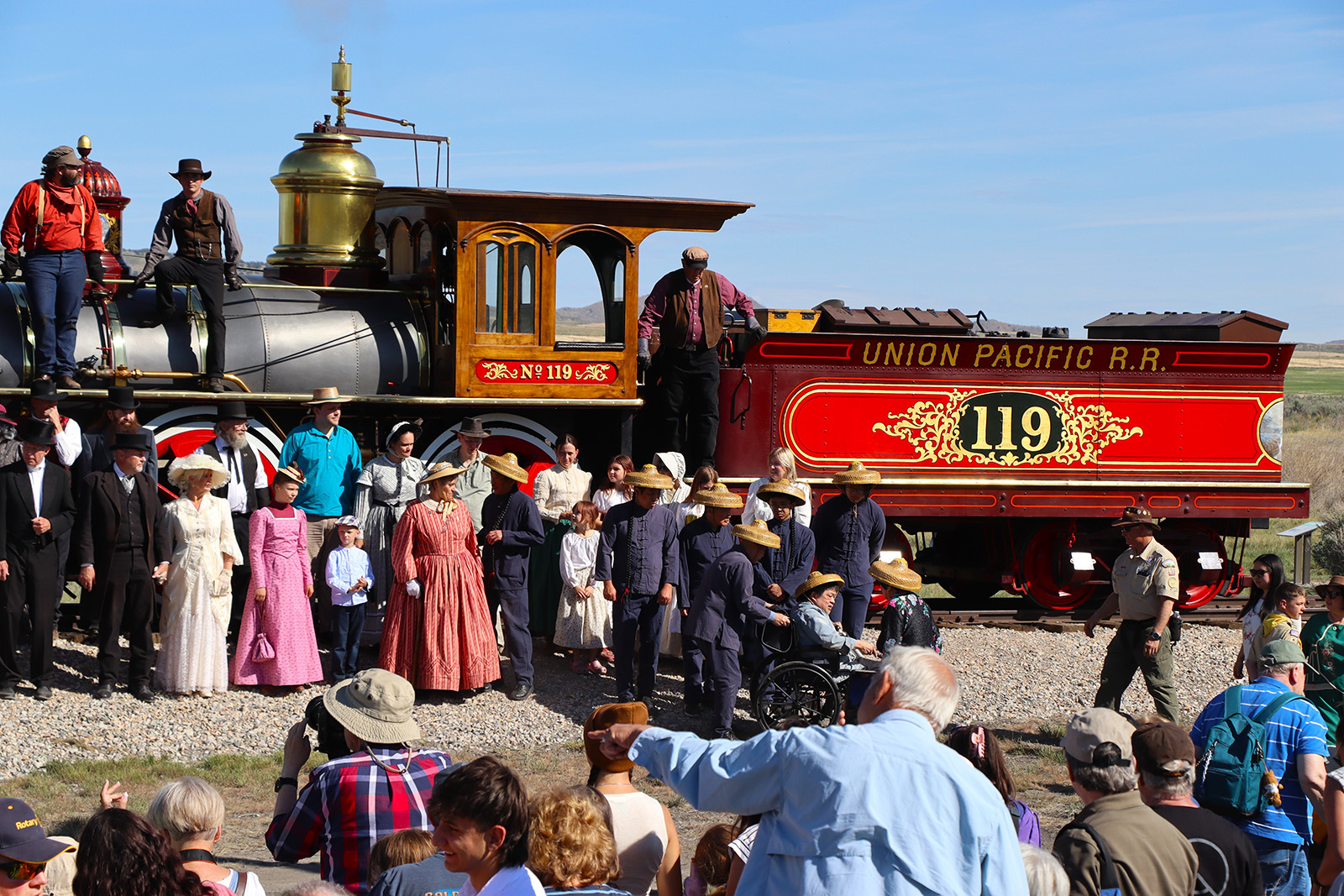
Golden Spike National Historical Park is also well worth the day trip from Salt Lake City. This park preserves the site where the first transcontinental railroad was joined on May 10, 1869, marking one of the major technological achievements in United States history.
Southwest
The national parks of the American Southwest protect diverse landscapes, from biodiverse deserts to ancient volcanic landscapes and deep canyons. Many incredible heritage sites are also found throughout this region, where people have been living since long before the United States became the nation that it is today.
Arizona
Experience the history, heritage, and natural wonders of the Southwest when you visit Arizona’s national parks.
- Grand Canyon National Park
- Wupatki National Monument
- Walnut Canyon National Monument
- Sunset Crater Volcano National Monument
- Hubbell Trading Post National Historic Site
- Navajo National Monument
- Canyon de Chelly National Monument
- Casa Grande Ruins National Monument
- Saguaro National Park
- Organ Pipe Cactus National Monument
- Chiricahua National Monument
One of Arizona’s most notable wild places is Grand Canyon National Park, a geological marvel known for its hiking, river rafting, and stunning views. But the Grand Canyon is just the beginning of the wonders found in this state’s stunning national parks.
Many Indigenous peoples have called and continue to call Arizona’s landscapes home. Visiting Arizona’s national park sites that protect these places is an important way to connect with, learn about, and appreciate the peoples who have lived here for generations. Many of the national parks that protect and preserve these heritage sites are within a few hours of the Grand Canyon.
The Flagstaff area, a notable stop on Route 66 offering plenty of nearby camping, is the gateway to the Grand Canyon and has many parks within driving distance that celebrate Indigenous heritage. Wupatki National Monument preserves the largest pueblo in northern Arizona, with over one hundred rooms. Originally built by the ancestral Puebloans hundreds of years ago, the structures at Wupatki remain culturally significant today.
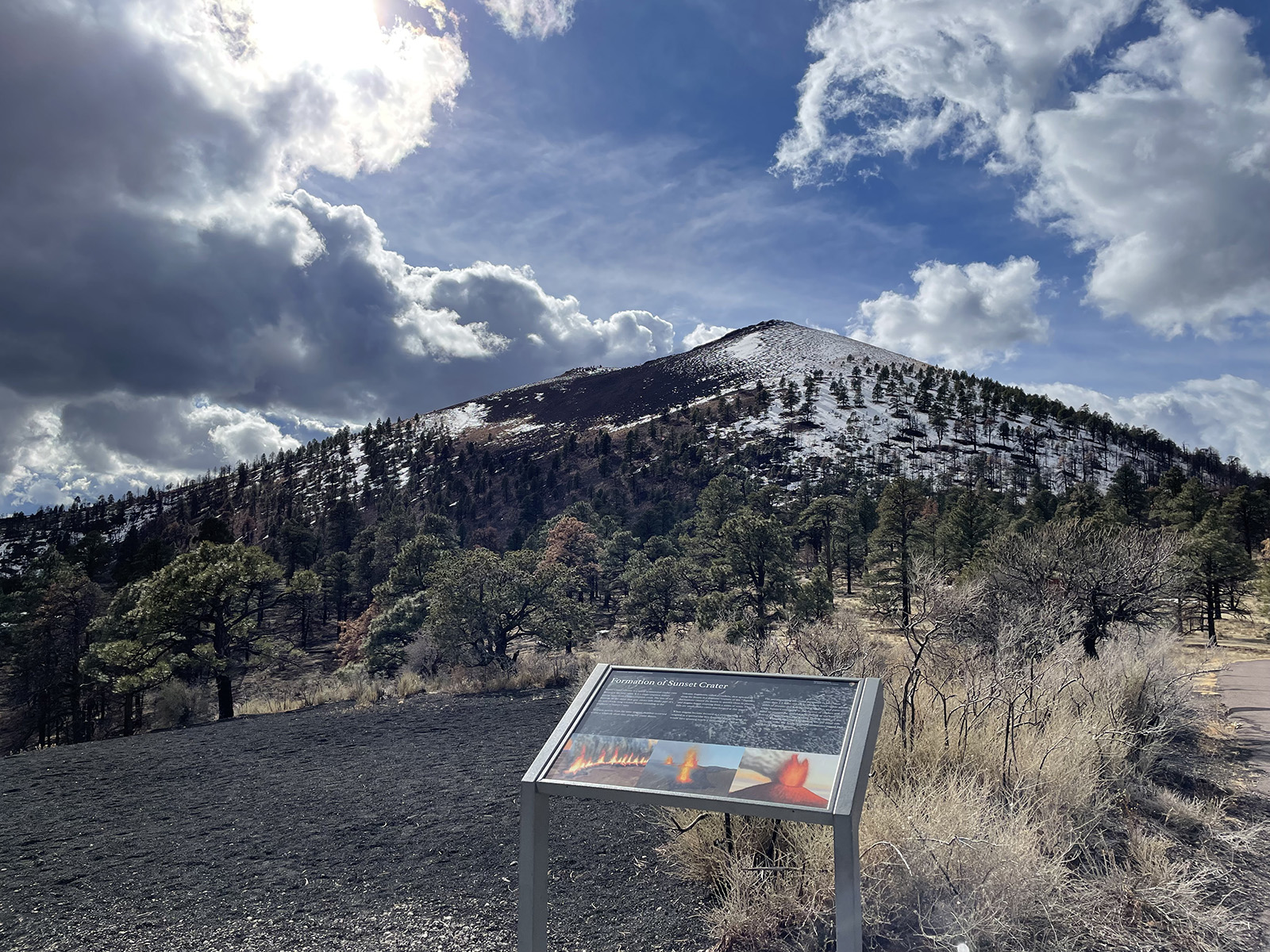
If you want to see cliff dwellings up close, make a stop at Walnut Canyon National Monument and hike beneath the canyon rim. Finally, your visit to the Flagstaff area is not complete without hiking at Sunset Crater Volcano National Monument. Camping is available right outside the borders of the park.
Further north, you can visit the special parks located on the Navajo Nation. Experiencing these parks is an integral and essential part of the journey through the history and heritage of the land that is now known as the United States. Hubbell Trading Post National Historic Site is the oldest continuously operating trading post in the Southwest and continues to be a vibrant cultural and community hub. Visitors can browse and purchase authentic Navajo rugs and fine jewelry at the trading post. While there’s no camping in this historic site, RVers and road trippers will not want to miss the absolutely cherished experience of this national park stop. Set aside several hours for a tour of the Hubbell home and opportunities to engage with artists and the Trader.
Experience Hubbell Trading Post National Historic Site (courtesy of Western National Parks).
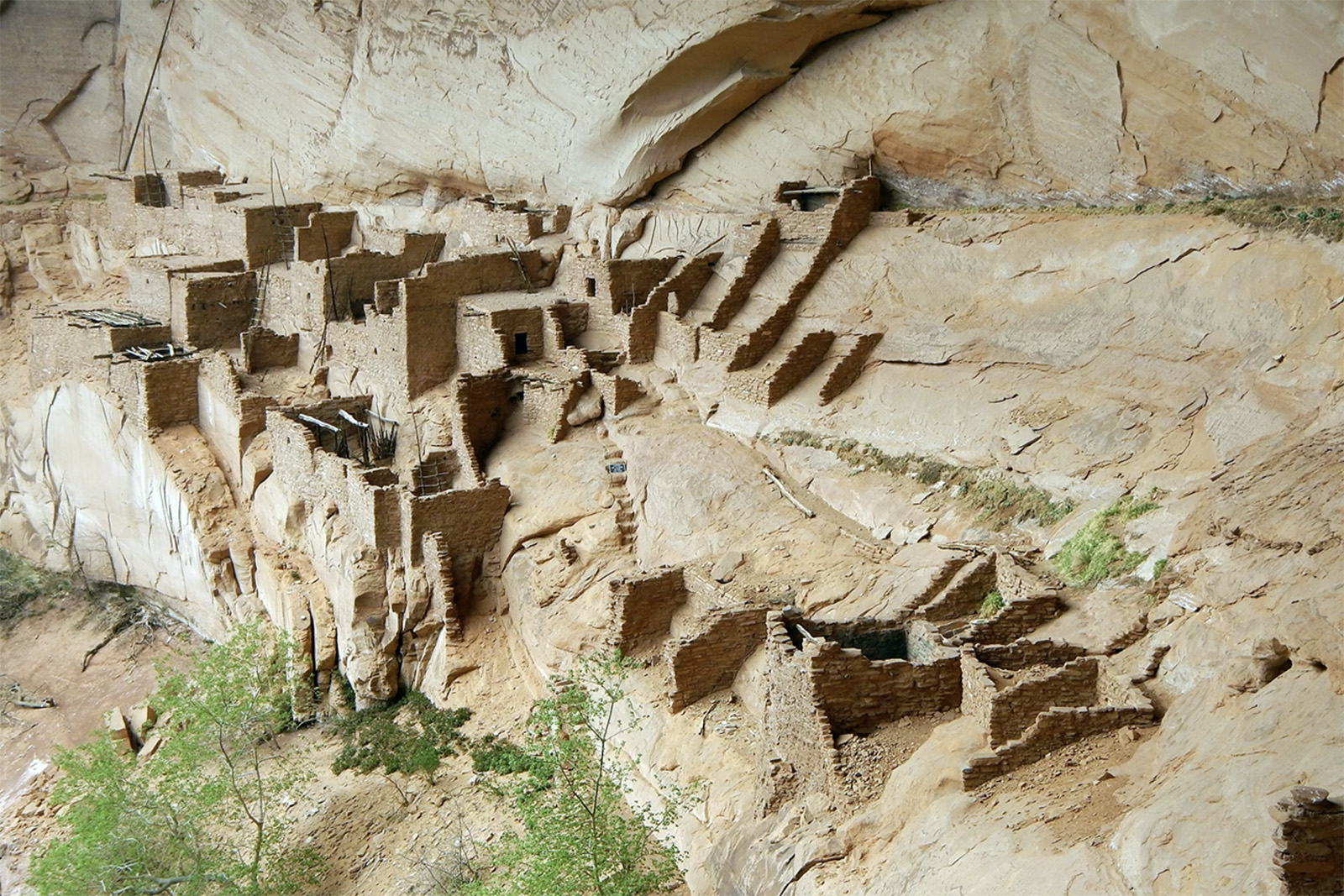
Other parks located on the Navajo Nation include Navajo National Monument, which protects the stunning cliff dwellings, Betatakin and Keet Seel, built by the ancestral Puebloans over 700 years ago. Be sure to do your research ahead of time if you want to take a hike to these sacred sites, as you may only do so if accompanied by a ranger.
Finally, Canyon de Chelly National Monument protects canyons, high-desert landscapes, cliff dwellings, and other important cultural heritage sites. You can drive along the canyon rim to several overlooks or make reservations ahead of time with an approved guide to go into the canyon itself. Both Navajo National Monument and Canyon de Chelly have large campgrounds that are perfect for RVers and anyone who wants to sleep under the stars.
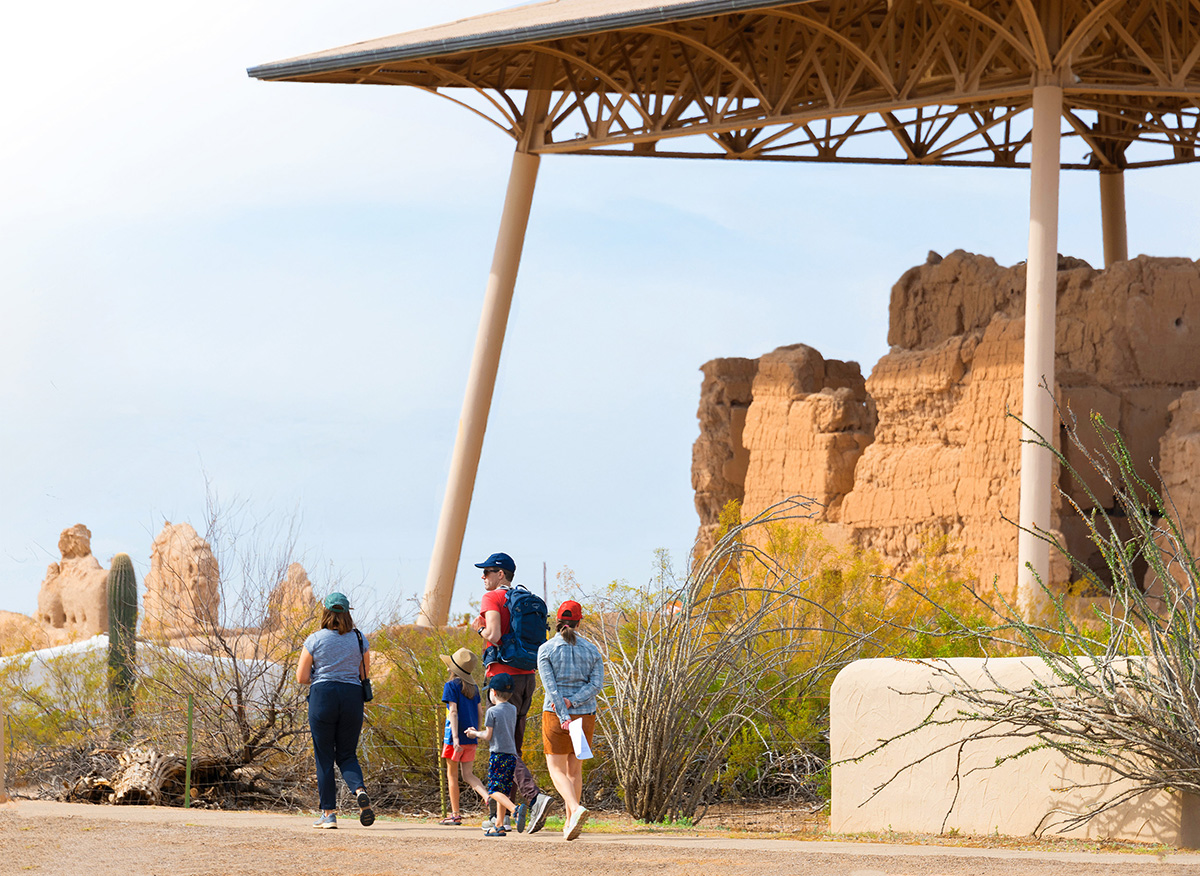
Further south, the landscape of Arizona changes from cool pine forests to vibrant desert landscapes with some parks that may surprise you. Just outside the Phoenix area is Casa Grande Ruins National Monument, which preserves a Great House built by the ancestral Sonoran Desert peoples—the only surviving structure of its kind.
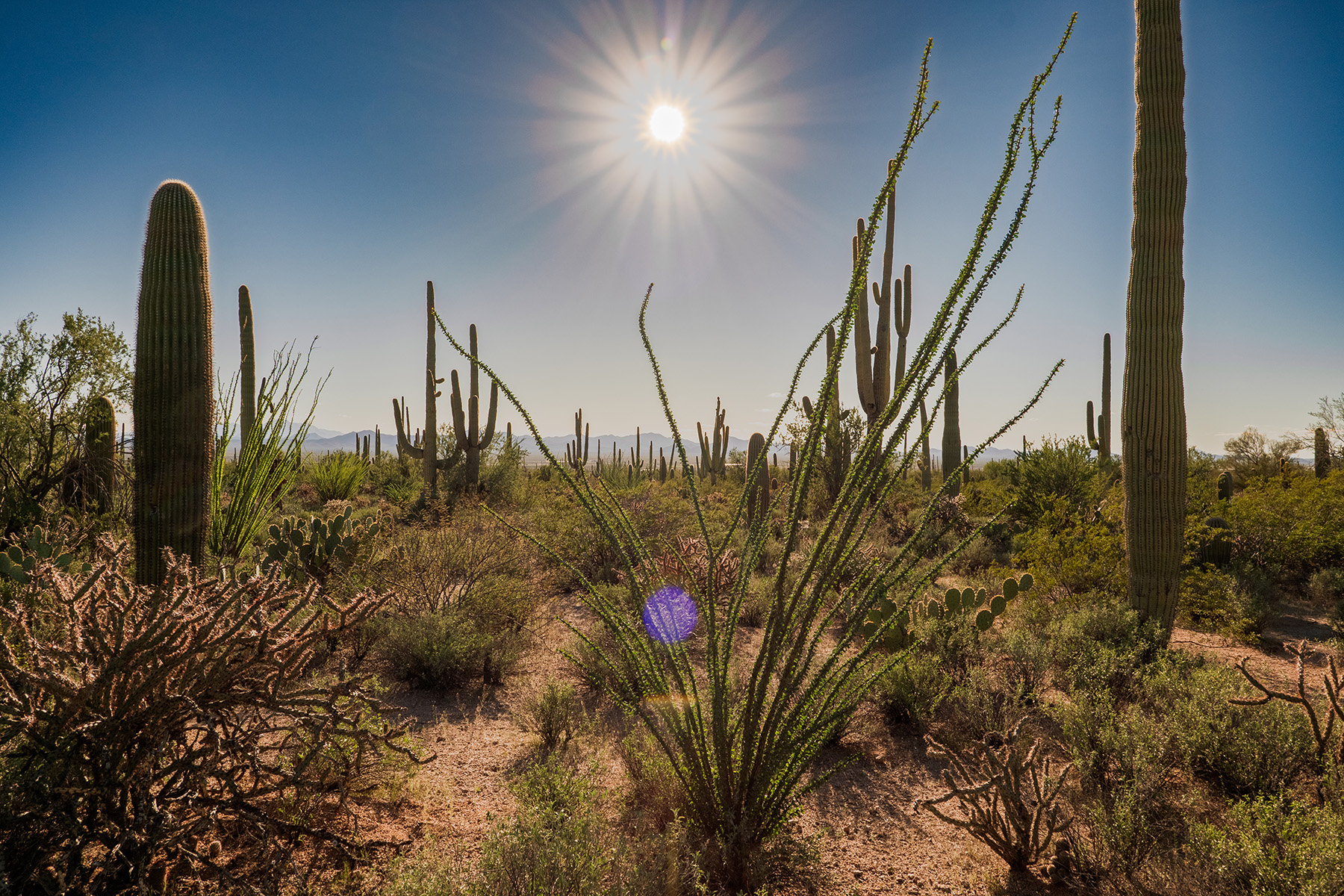
If you are looking for opportunities to go birding, cycling, or hiking near the Tucson area, Saguaro National Park has two districts to explore. See the park’s namesake and iconic cacti, hike or cycle the miles of trails, and camp at one of the state parks nearby. Saguaro is an urban night sky place, designated by Dark Sky International, and boasts phenomenal views of the night sky, especially given how close it is to the bustling city of Tucson. Tucson, Arizona, is worth a few days’ stop at one of the many RV sites or nearby camping spots. Enjoy delicious food in this UNESCO City of Gastronomy that not only tells the important cultural stories of the region but will also leave your tastebuds singing.
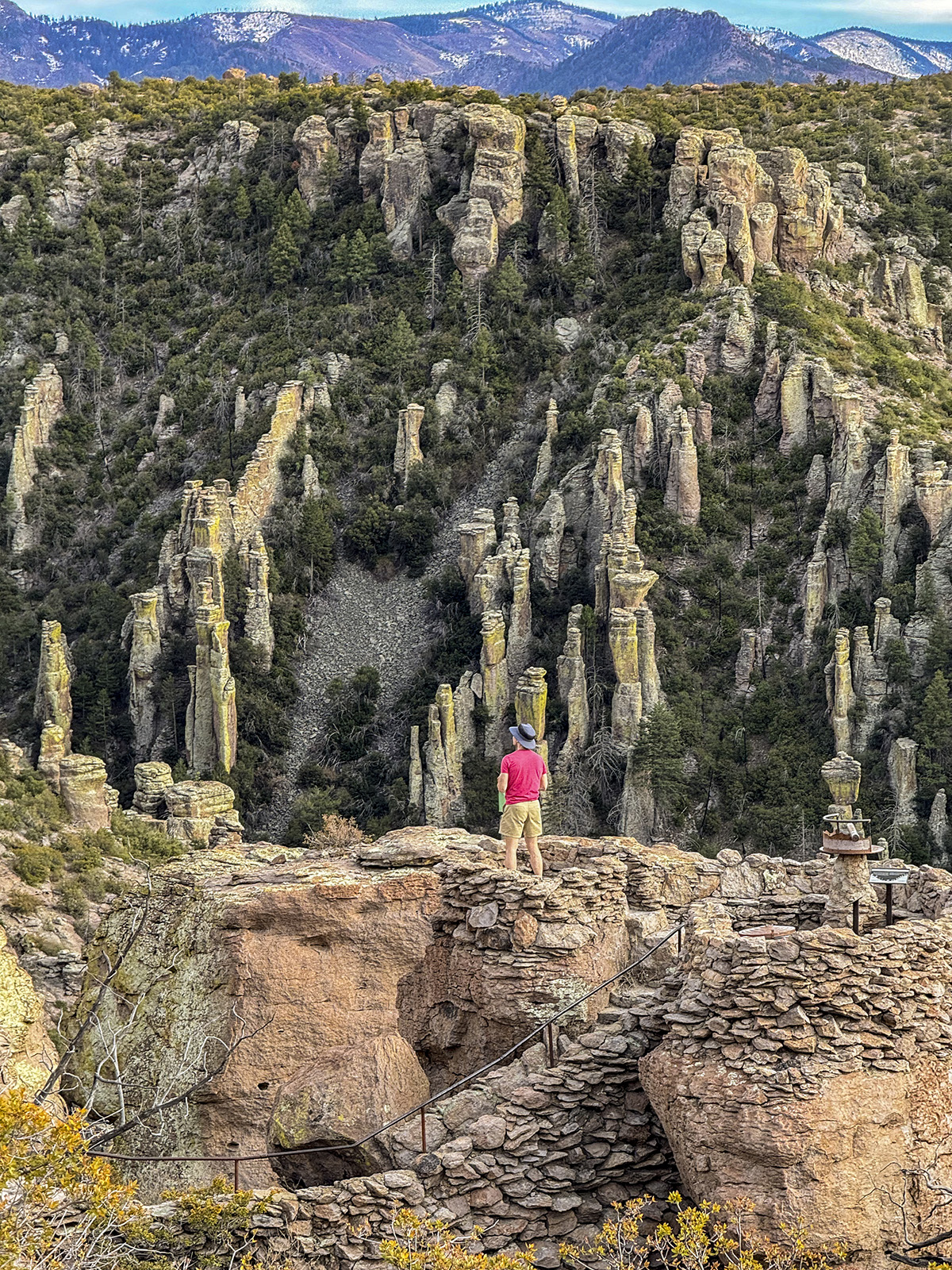
Often considered one of Arizona’s best kept secrets, Chiricahua National Monument will amaze and inspire you. Known for its unique rhyolite hoodoo rock formations that some say rival that of Bryce Canyon, this park offers camping, hiking, birding, wildlife watching, and scenic drive. Chiricahua National Monument is located on the homelands of the Chiricahua Apache, who fought to protect their homeland.
New Mexico
Experience world renowned heritage sites, cultural crossroads, and scenic landscapes when you visit these parks in the Land of Enchantment.
- Chaco Culture National Historical Park
- Bandelier National Monument
- Pecos National Historical Park
- Fort Union National Monument
- Salinas Pueblo Missions National Monument
- Petroglyph National Monument
- Gila Cliff Dwellings National Monument
- Carlsbad Caverns National Park
- White Sands National Park
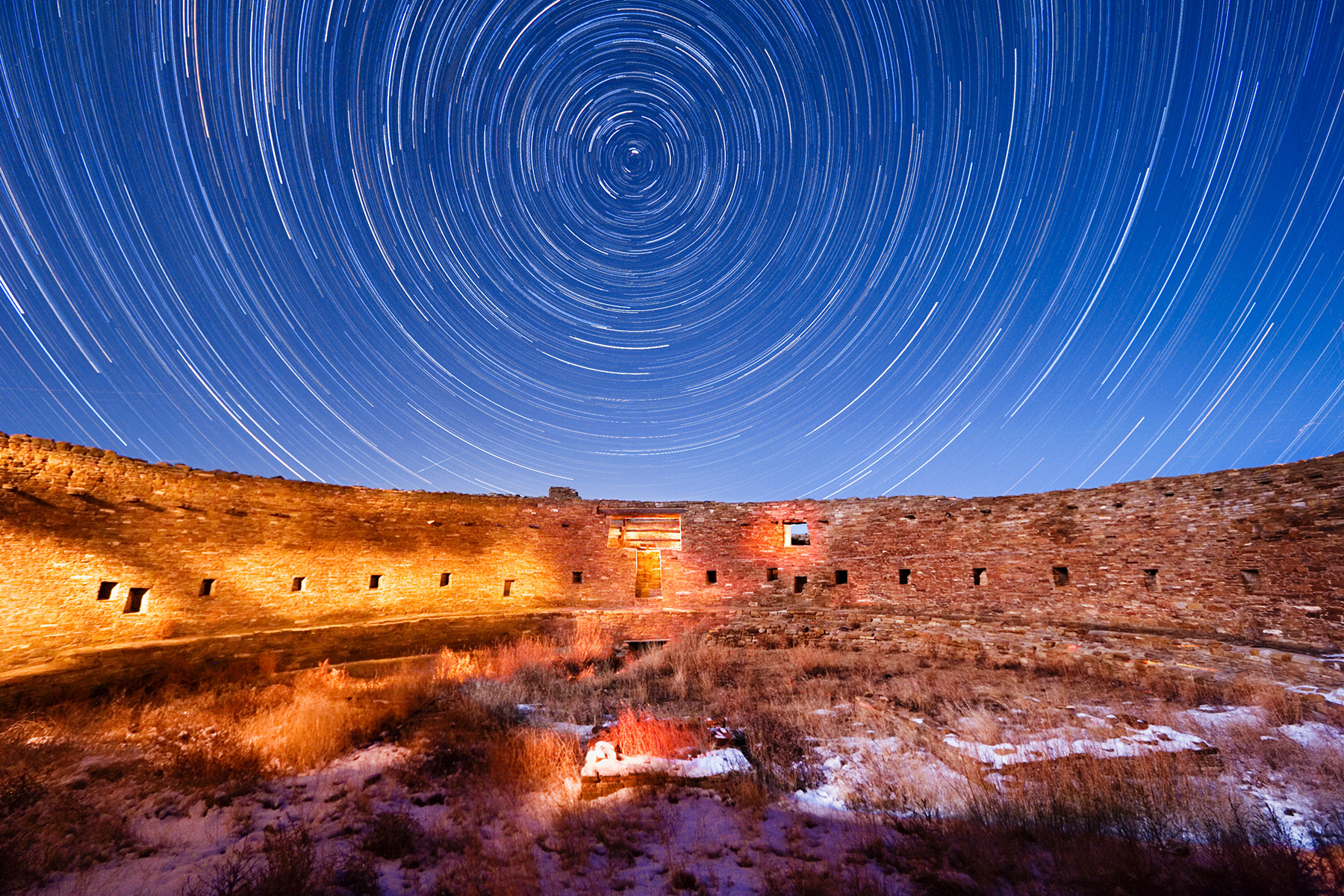
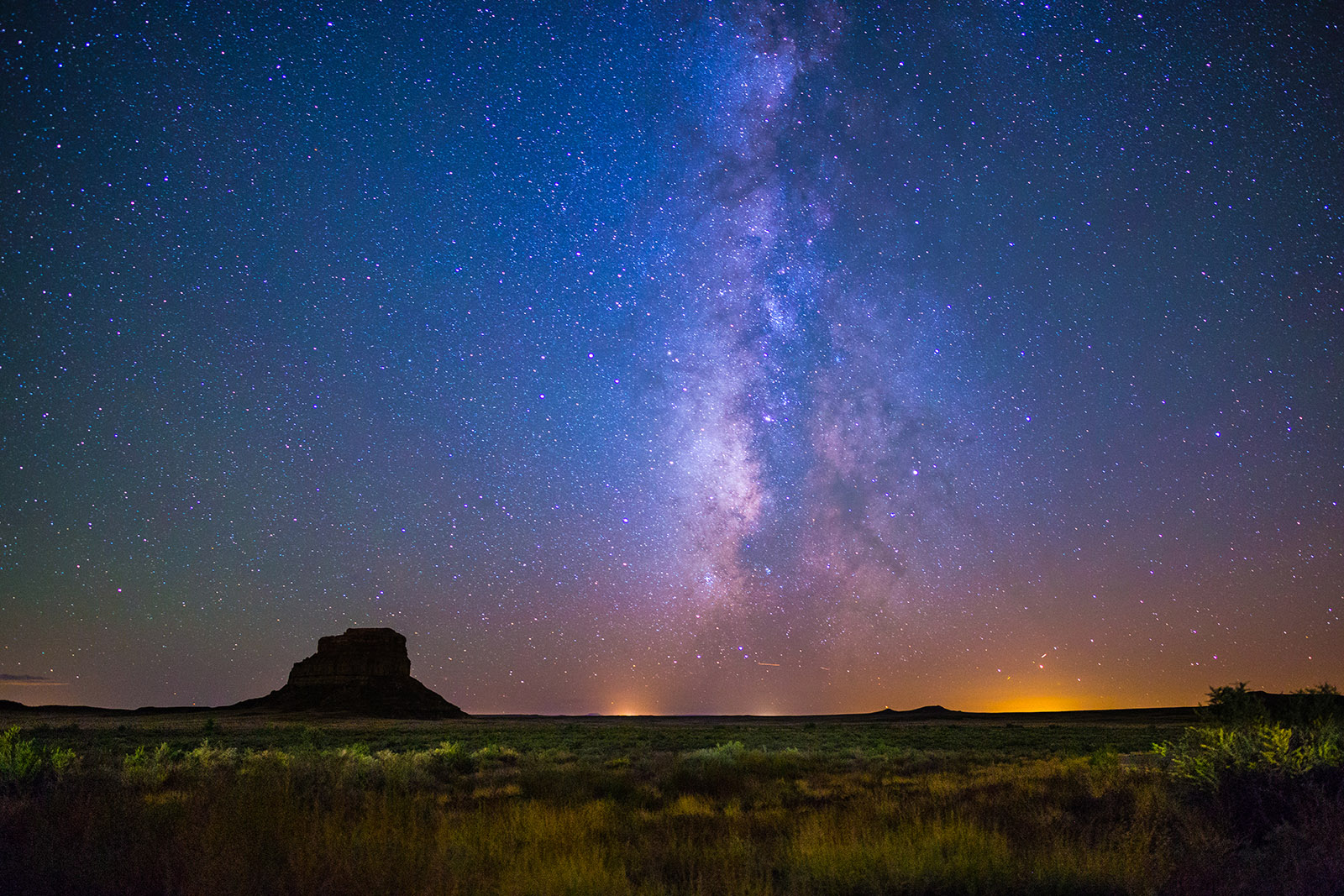
The first park on our list of places to visit in New Mexico is also a UNESCO World Heritage Site. Chaco Culture National Historical Park protects five major Chacoan sites at what was once a major regional center for the ancestral Puebloan peoples. This heritage site remains important to many Indigenous peoples, and with so many things to see, you’ll definitely want to spend a full day here.
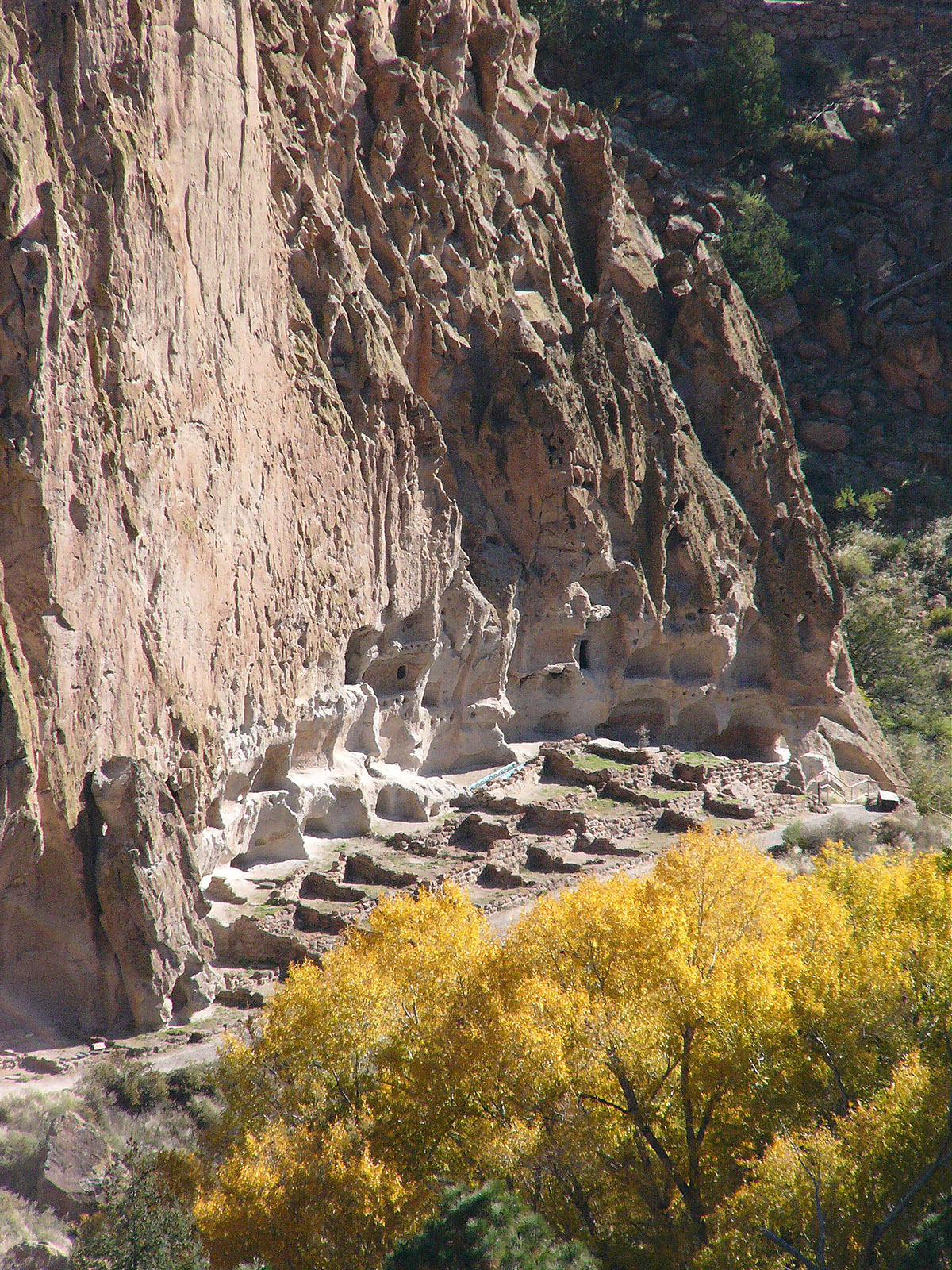
Bandelier National Monument (courtesy of NPS)A perfect day trip from Santa Fe, Pecos National Historical Park preserves historic buildings and heritage sites built over hundreds of years, and include kivas, Spanish missions, a Civil War battlefield, and a ranch frequented by Hollywood stars. Fort Union National Monument preserves the remnants of what was the largest fort on the Santa Fe Trail in the region. It’s worth the daytrip from Santa Fe, especially as it tells another part of New Mexico’s complex history.
Visit Pecos National Historical Park (courtesy of Western National Parks).
If you want to hike to a fascinating Indigenous cultural heritage site and camp near one of the largest wilderness areas in the United States, visit Gila Cliff Dwellings National Monument. Hike to the cliff dwellings built by the Southern Ancestral Puebloan peoples, enjoy views of the Gila River, and then camp in one of the nearby campgrounds. The surrounding forests and mountains have plenty of places to explore.
Carlsbad Caverns National Park is another notable New Mexico stop. Known for its bat flight ranger programs, the park protects the largest single cave room by volume in North America and is perfect for visiting during the summer months. There are also plenty of private camping options nearby.
Finally, the picturesque White Sands National Park in Alamogordo is more than just the largest gypsum sand dunefield in the world. It is also where the footprints of some of the first peoples to walk this continent were discovered, and the nearby missile ranges tell the story of atomic development that forever changed the course of history.
California
With 28 national park sites featuring a variety of landscapes and experiences, the Golden State is worth spending several weeks in—but be sure to add these parks to your list.
- Yosemite National Park
- John Muir National Historic Site
- Joshua Tree National Park
- Mojave National Preserve
- Pinnacles National Park
- Channel Islands National Park
- Santa Monica Mountains National Recreation Area
- Eugene O’Neill National Historic Site
- Port Chicago Naval Magazine Memorial
- Juan Bautista de Anza National Historic Trail
Yosemite National Park is one of California’s most popular parks to visit, and of the nation’s most iconic. With miles of trails, beautiful views, and many opportunities for camping and scenic drives, it’s no wonder that this park is beloved by many. But to fully understand the story of Yosemite and how it came to be, we also recommend visiting John Muir National Historic Site, which preserves the home of the famous conservationist. Although today he is recognized to have held negative and harmful views of many peoples, Muir’s writings served to convince the US government to protect many of the landscapes that are now some of America’s most recognizable national parks.
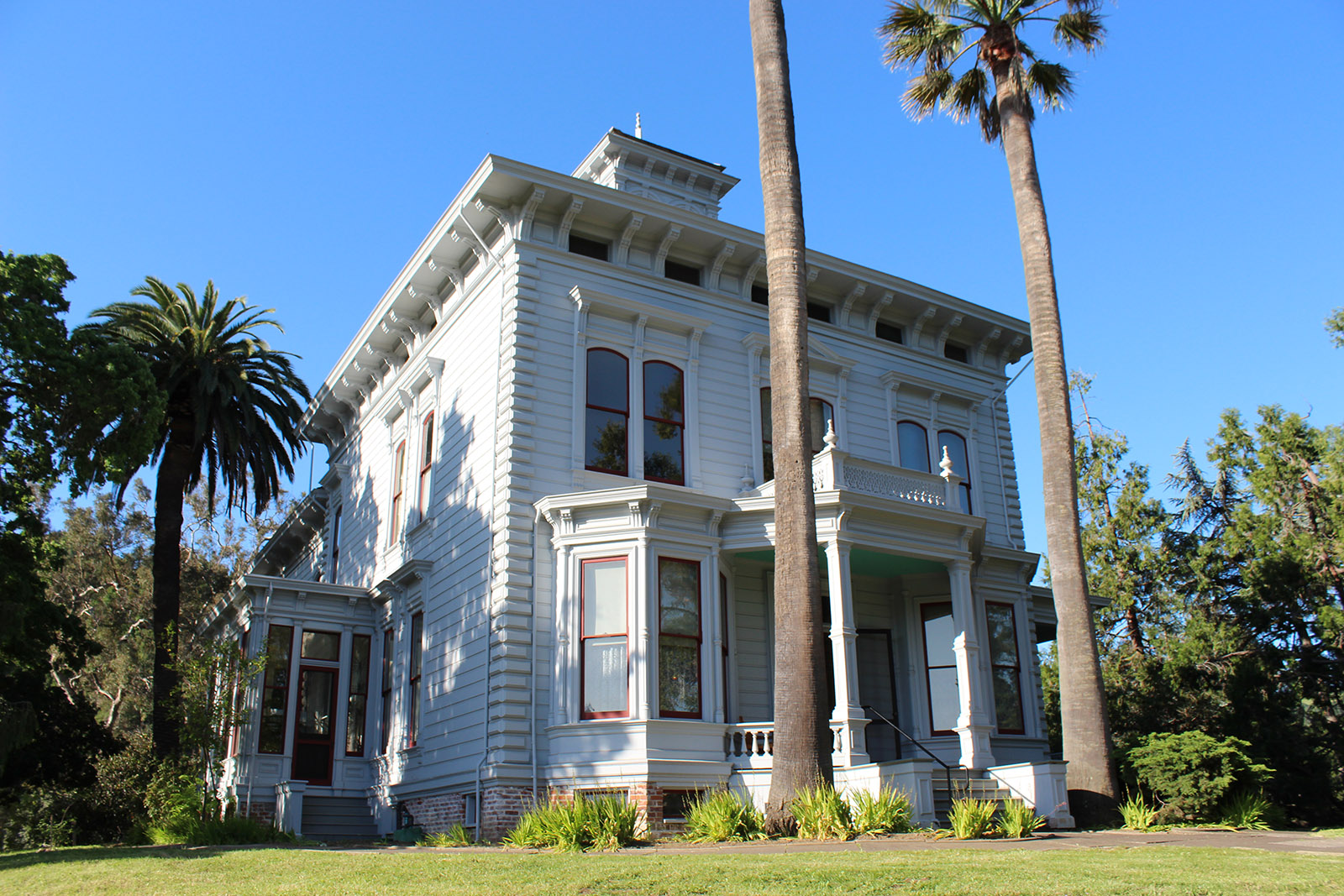
John Muir National Historic Site (courtesy of NPS)Joshua Tree National Park is also a popular stop for RVers on their way to or from the Los Angeles area. As one of the largest protected areas in California, the desert landscapes here are enjoyed by campers, hikers, climbers, and others who want to experience the beauty of the Mojave. But both Yosemite and Joshua Tree are often crowded, especially during their peak seasons. If you want more solitude, we highly recommend Mojave National Preserve, the third-largest park unit in the lower 48. This desert park offers a multitude of opportunities for camping, biking, hiking through dunefields and lava tube caves, and 4×4 driving (4WD). Mojave boasts many of the great landscapes that the popular Joshua Tree does, all without the crowds.
If you want the chance to observe California condors from your campsite, Pinnacles National Park belongs on your road trip itinerary. This park is known for its rock climbing, breathtaking trails, stunning rock formations, and stargazing opportunities.

If you prefer ocean views over desert ones, stop by Channel Islands National Park, which protects an archipelago of five islands and the surrounding ocean. Park your RV at the port and take the ferry over to enjoy a quiet and beautiful outdoor adventure—hike, scuba dive, kayak, and much more. It’s also a great park to pair with the nearby Santa Monica Mountains National Recreation Area, which has miles of hiking trails, great backpacking opportunities, ample camping sites, and beach access.
Experience Channel Islands National Park (courtesy of Western National Parks).
Want to base your road trip out of the San Francisco Bay area as opposed to LA? There are plenty of parks in the area that explore United States history, including a few that may surprise you. Literature lovers will want to visit Eugene O’Neill National Historic Site, which preserves the home of America’s only Nobel prize–winning playwright.
Another San Francisco area park is Port Chicago Naval Magazine Memorial, an important Civil Rights site. This park honors the 320 men, mostly African American sailors, who tragically lost their lives in a 1944 explosion. The disaster highlighted racial inequality and unsafe working conditions in America’s military and ultimately led to the desegregation of the US military. Contact the park to schedule a tour. This site is on an active military base and requires security clearance and reservations in advance.
San Francisco is also the northern terminus of the Juan Bautista de Anza National Historic Trail, which begins in Sonora, Mexico, and winds over 1,200 miles through Arizona and California. The trail follows the route of the 1775–1776 Spanish expedition that established the first European presence in California. The trail also shares its 250th anniversary with that of the US and makes for a fascinating road trip.
South and Great Plains
The hidden gem parks of Kansas, Oklahoma, and Texas preserve many historic and heritage sites, as well as lush landscapes, high deserts, and beautiful beaches.
Kansas
Learn more about US history when you visit these national parks in Kansas.
- Brown V. Board of Education National Historical Park
- Nicodemus National Historic Site
- Fort Larned National Historic Site
- Fort Scott National Historic Site
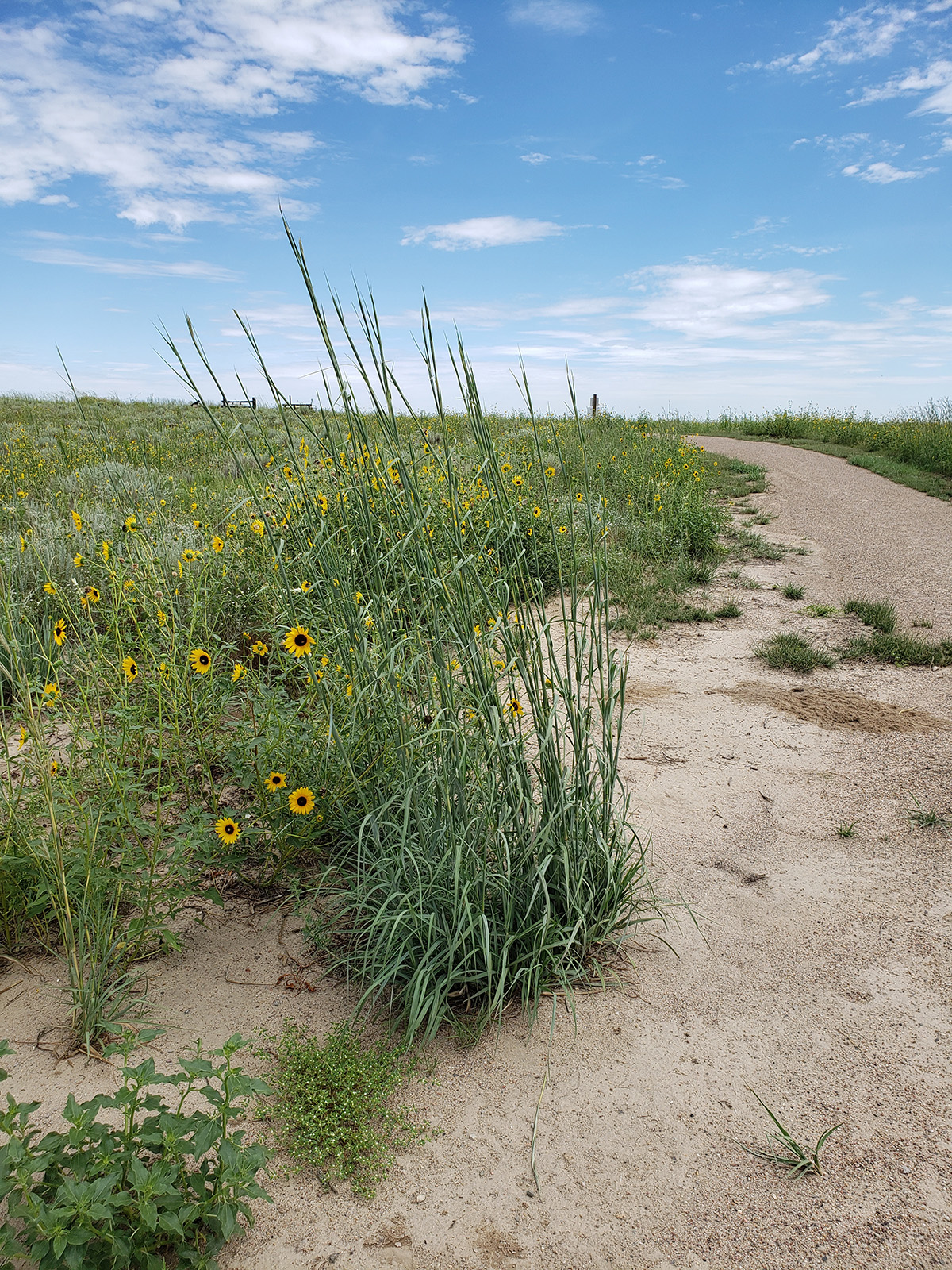
Camping during a road trip through Kansas is one of the best ways to experience the wide-open landscapes of this prairie state. It’s also easy to visit several national parks that tell the stories of some of the United States’ most important historical moments, including many that have ties to the Civil Rights movement and African American history.
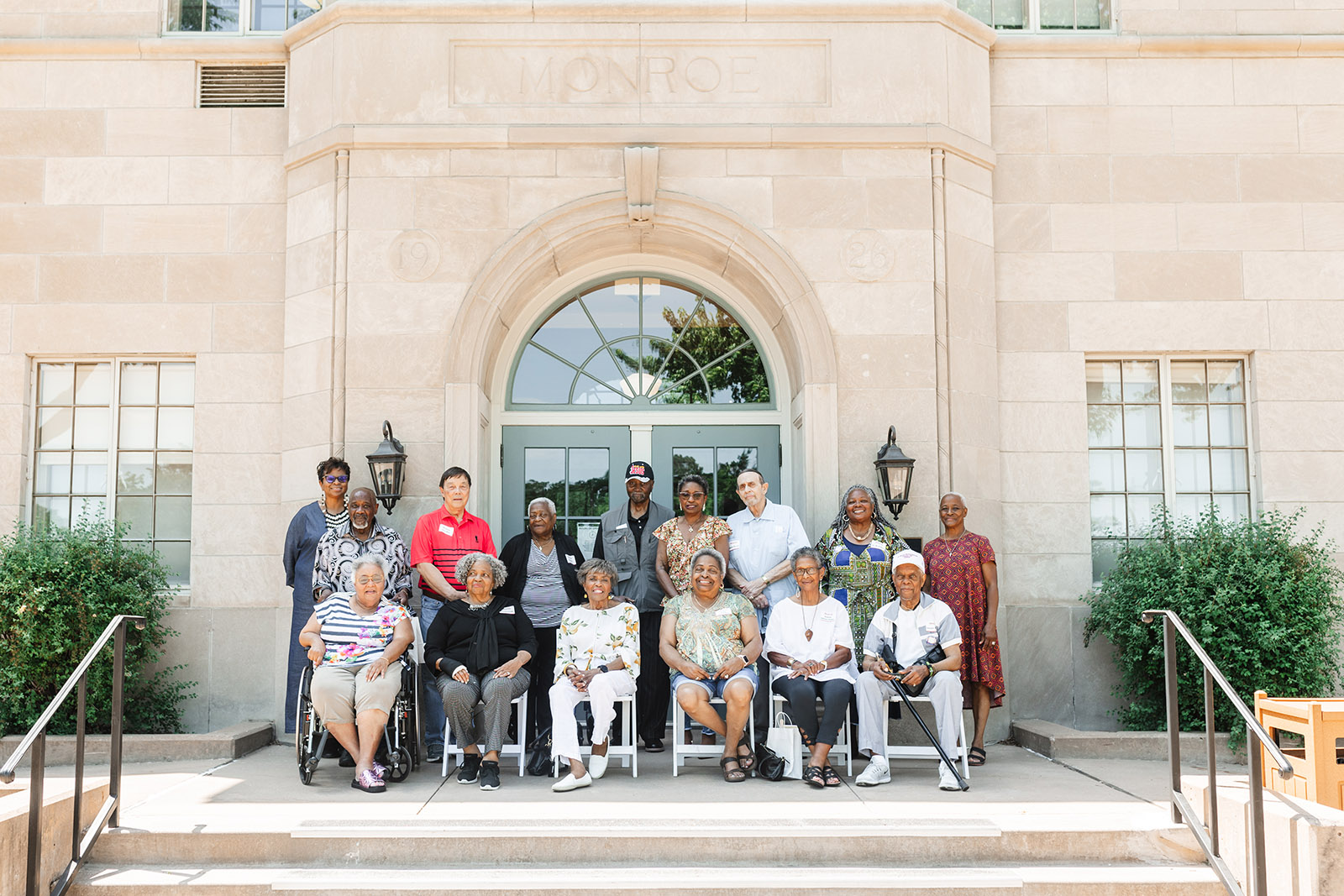
Brown V. Board of Education National Historical Park preserves the elementary school that was at the center of the landmark US Supreme Court decision that ruled that racial segregation in public schools was unconstitutional. Nicodemus National Historic Site, the oldest and only remaining Black settlement west of the Mississippi River. Each year, the descendants of those who settled here hold a Homecoming celebration, marking the enduring legacy of this important place.
Several parks in Kansas also preserve the history of US military forts. Fort Larned National Historic Site is a preserved military site located on the Santa Fe Trail offering living history programs. See craft demonstrations by blacksmiths and take a ranger-led tour of the historic buildings. While the park doesn’t offer camping within its boundaries, you can have a picnic lunch here and camp nearby. Fort Scott National Historic Site played a key role in the US Civil War. There are 20 historic buildings here, including twelve that are open to the public. Take a tour of the fort and parade grounds and take in the beauty of the tallgrass prairie when you visit.
And if you are looking for an amazing cross-country road trip linking national park sites, history, landscapes, and heritage, the Lewis and Clark National Historic Trail runs through Kansas. This 4,900-mile route, which crosses 16 states and retraces the 1804–1806 expedition, will take you from Pittsburgh, Pennsylvania, to the Pacific Ocean off the Oregon Coast. It’s a great way to travel, camp, and connect with history as you journey from coast to coast.
Oklahoma
Don’t underestimate the hidden gem parks of Oklahoma, which offer experiences unlike any other.
- Chickasaw National Recreation Area
- Washita Battlefield National Historic Site
- Santa Fe National Historic Trail
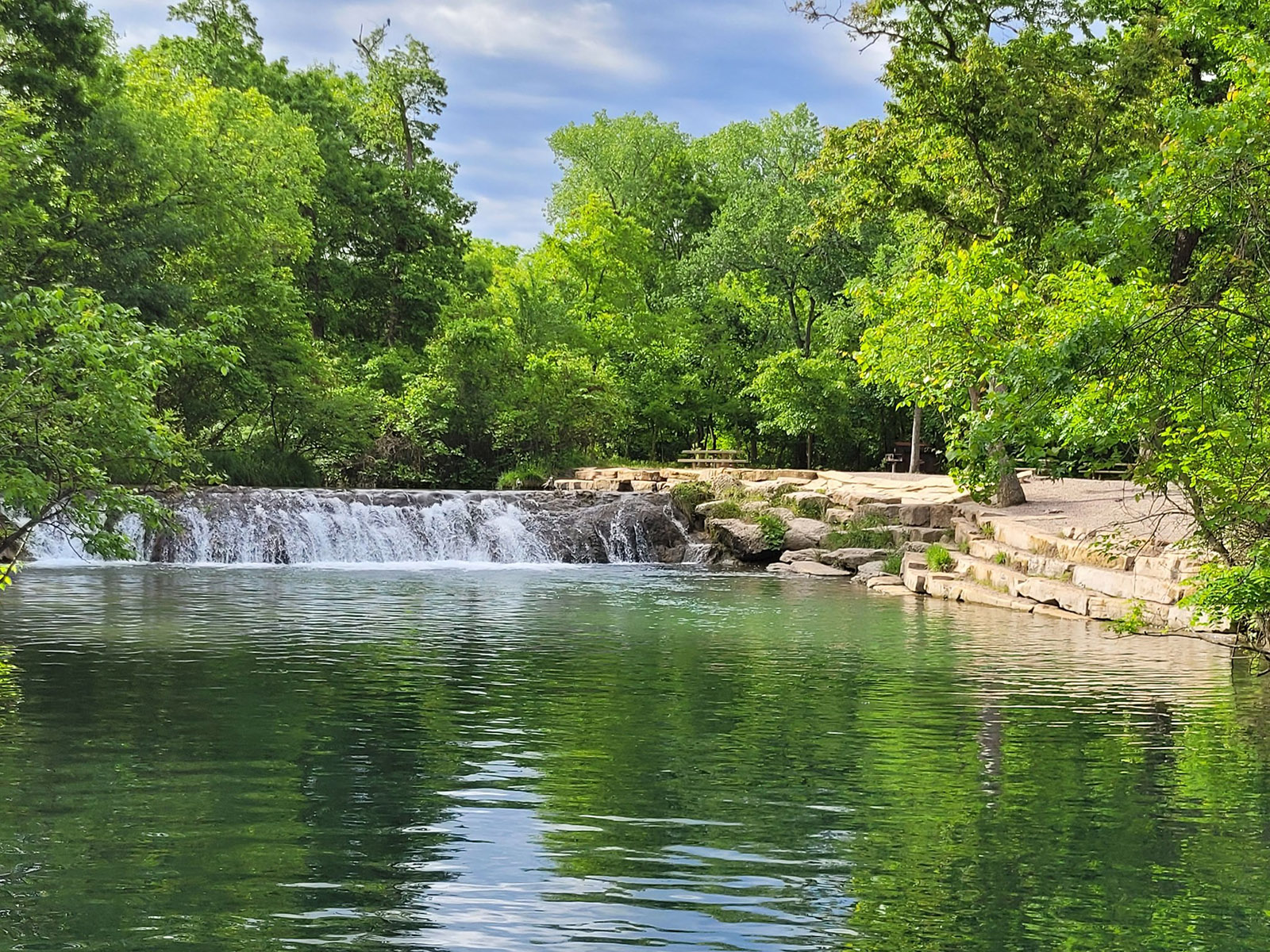
Chickasaw National Recreation Area is a pet-friendly national park known for its hiking, fishing, boating, camping, and swimming opportunities. You can also see American bison at this unique park. You’ll want to spend plenty of time at the Chickasaw Cultural Center, a mere three miles away from the park.
The Santa Fe National Historic Trail also winds through Oklahoma, along with four other states. The route connects national parks and historic sites along the important trade route that forever changed the course of Western history. Spanning hundreds of miles, the Santa Fe Trail makes a great starting point for your cross-country road trip. The state of Oklahoma also has the longest driveable stretch of historic Route 66—over 400 miles—with plenty of parks and camping nearby.
Texas
You might be surprised by the variety of parks you can explore in the Lone Star State. Be sure to pay these parks a visit.
- Big Bend National Park
- Guadalupe Mountains National Park
- Chamizal National Memorial
- Padre Island National Seashore
- Amistad National Recreation Area
- Alibates Flint Quarries National Monument
- Palo Alto Battlefield National Historical Park
- Lyndon B Johnson National Historical Park
- San Antonio Missions National Historical Park
One of the most notable parks in Texas is Big Bend National Park, known for its canyons, river rafting, scenic drives, and mountain views.
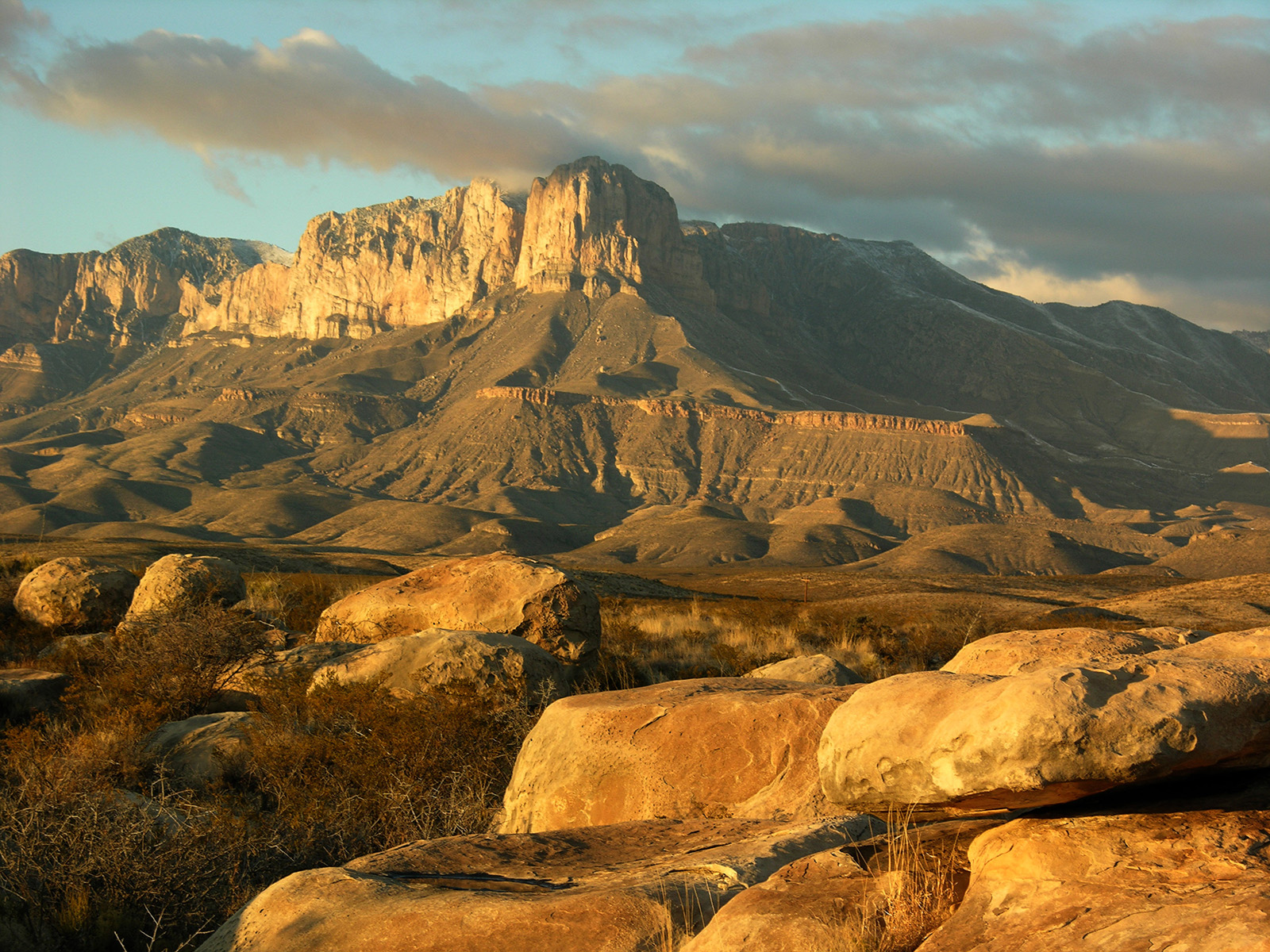
If you want a cooler park with high-altitude adventure opportunities, Guadalupe Mountains National Park is a remote experience perfect for people who love hiking, camping, and backpacking. Climb to the highest point in Texas and learn about the special paleontology of this park, which protects fossils over 260 million years old. This hidden gem park offers great camping and can also be used as a basecamp for visiting nearby Carlsbad Caverns National Park in New Mexico. Both Carlsbad and Guadalupe Mountains are within easy driving distance of El Paso—be sure to fill up with all the gas you need before you depart the city. And while you’re there, you’ll want to visit Chamizal National Memorial , an urban El Paso on the US-Mexico border. This park tells the story of the settlement of the Chamizal boundary dispute and continues to be a symbol of international cooperation. It’s also a great spot to have a picnic lunch.
If you prefer to spend your vacation on the water, you’ll want to visit Padre Island National Seashore. Located on the world’s longest barrier island, offers over sixty miles of beaches. You can camp in the developed campground, or, with a high clearance vehicle, directly on the beach.
If you’re looking to have San Antonio as your home base in Texas, there are several parks to explore from there that connect to the history of the United States. Lyndon B Johnson National Historical Park tells the story of the 36th US president and preserves his boyhood home and the Texas White House. The park tells the story of Johnson’s family and his important contributions to history and makes a great daytrip from San Antonio.

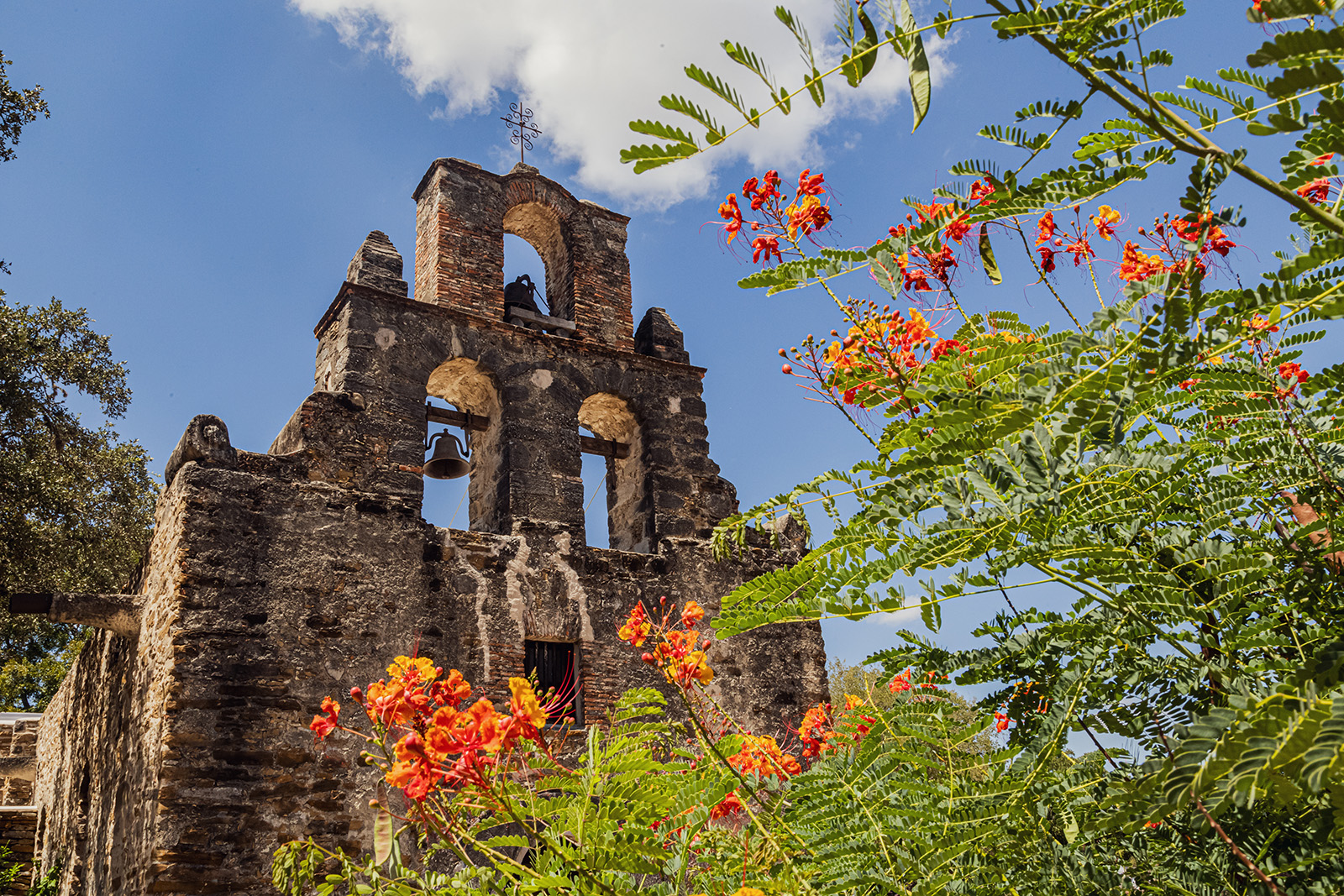
Finally, San Antonio Missions National Historical Park, located in San Antonio, is an important Indigenous and Hispanic heritage site. Part of a UNESCO World Heritage Site, the park preserves one of the most complete Spanish Colonial mission complexes in the world.
These parks are just some of the many places you can experience during America’s semiquincentennial (250th anniversary). Find your perfect park experience with Western National Parks and get inspiration from our many road trip itineraries today.